

Many men notice changes in their urinary habits as they grow older. Waking up several times at night to urinate, struggling to start the urine stream, or feeling that the bladder never completely empties are common complaints. While these symptoms are often associated with ageing, they may actually be caused by Benign Prostatic Hypertrophy (BPH), a condition that affects millions of men worldwide.
Understanding BPH and the available treatment options can help patients seek timely care before the condition begins affecting their daily lives.
What Is Benign Prostatic Hypertrophy?
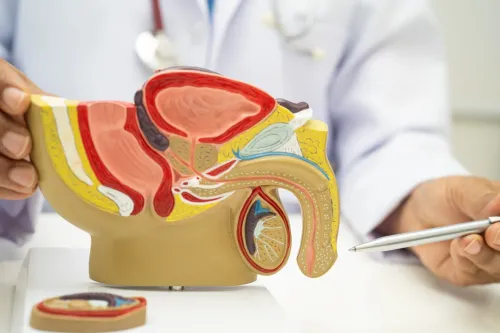
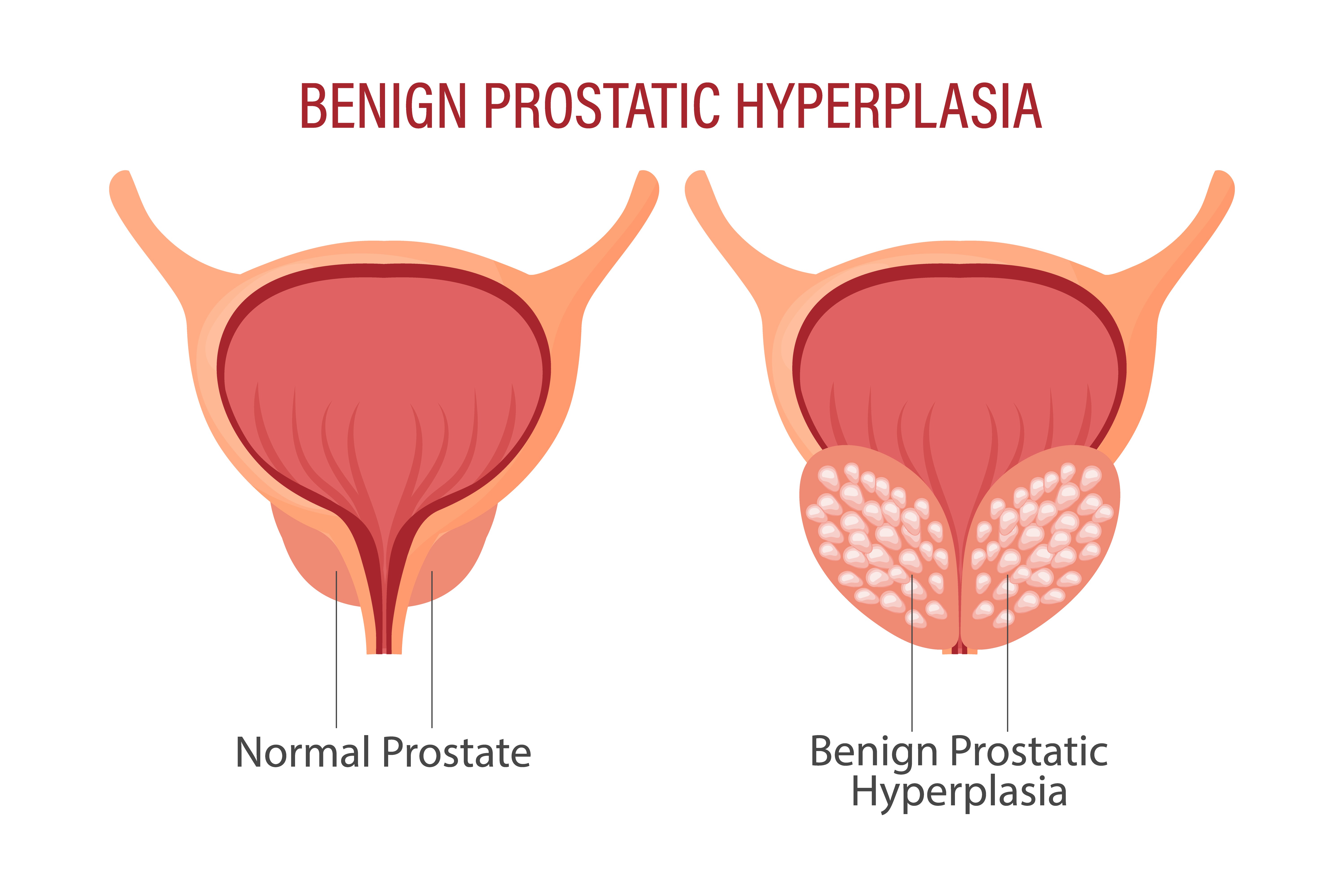
Benign Prostatic Hypertrophy, also known as benign enlargement of the prostate, is a non-cancerous increase in the size of the prostate gland. The prostate surrounds the urethra, the tube that carries urine out of the body. As the gland enlarges, it may compress the urethra and make urination increasingly difficult.
Although BPH is not prostate cancer, it can significantly affect urinary function if left untreated.
Why Does the Prostate Enlarge?
The exact cause is not completely understood, but age-related hormonal changes play a major role.
Several factors increase the risk of developing BPH, including:
- Age above 50 years
- Family history of prostate enlargement
- Diabetes
- Obesity
- High blood pressure
- Lack of physical activity
While not every man develops troublesome symptoms, the likelihood increases with advancing age.
Common Symptoms of BPH
Symptoms often develop gradually and may worsen over time.
Some of the most common include:
- Frequent urination
- Increased nighttime urination
- Difficulty starting urination
- Weak urine stream
- Interrupted urine flow
- Feeling that the bladder has not emptied completely
- Sudden urgency to urinate
- Dribbling after urination
In severe cases, complete inability to pass urine may require emergency medical treatment.
How Is BPH Diagnosed?
A urologist will assess your symptoms, medical history, and overall health before recommending investigations.
These may include:
- Physical examination
- Digital rectal examination when appropriate
- Urine analysis
- Blood investigations
- PSA testing
- Ultrasound
- Uroflowmetry
- Measurement of post-void residual urine
These investigations help determine whether symptoms are due to BPH or another urinary condition.
Treatment Options for Benign Prostatic Hypertrophy
Treatment depends on the severity of symptoms and how much they interfere with daily activities.
Lifestyle Changes
Men with mild symptoms may benefit from:
- Limiting fluids before bedtime
- Reducing caffeine and alcohol
- Maintaining a healthy weight
- Regular exercise
- Avoiding unnecessary delay in urination
These simple adjustments may improve bladder function for some patients.
Medication
Medicines may help relax the muscles surrounding the prostate or reduce the size of the gland over time.
Medication is often the first treatment option for moderate symptoms.
Surgical Treatment
When medication no longer provides adequate relief or urinary obstruction becomes significant, surgery may be recommended.
One of the most commonly performed procedures is TURP (Transurethral Resection of the Prostate), which removes the obstructing portion of the prostate through the urethra without external incisions.
Modern techniques have significantly improved recovery and patient outcomes.
What Happens If BPH Is Left Untreated?
Ignoring persistent urinary symptoms may increase the risk of complications such as:
- Recurrent urinary tract infections
- Bladder stones
- Urinary retention
- Kidney damage
- Reduced quality of life
Early diagnosis helps prevent many of these complications.
Tips for Maintaining Prostate Health
Although BPH cannot always be prevented, healthy habits support long-term urinary health.
These include:
- Regular physical activity
- Maintaining a healthy weight
- Eating a balanced diet
- Managing diabetes and blood pressure
- Staying hydrated
- Scheduling regular health check-ups after the age of 50
Prompt evaluation of urinary symptoms also allows earlier treatment when necessary.
Men experiencing persistent urinary symptoms in Thane West should not assume they are simply part of normal ageing. Dr. Vivek Jadhav Laser Stone and Urology Clinic offers comprehensive evaluation and modern treatment for Benign Prostatic Hypertrophy, helping patients improve urinary function through personalised, evidence-based care. Seeking medical advice early often leads to better symptom control and improved quality of life.