Urinary symptoms are easy to postpone when they are mild. Frequent urination may be blamed on increased water intake, night-time urination on age, and occasional discomfort on temporary dehydration.
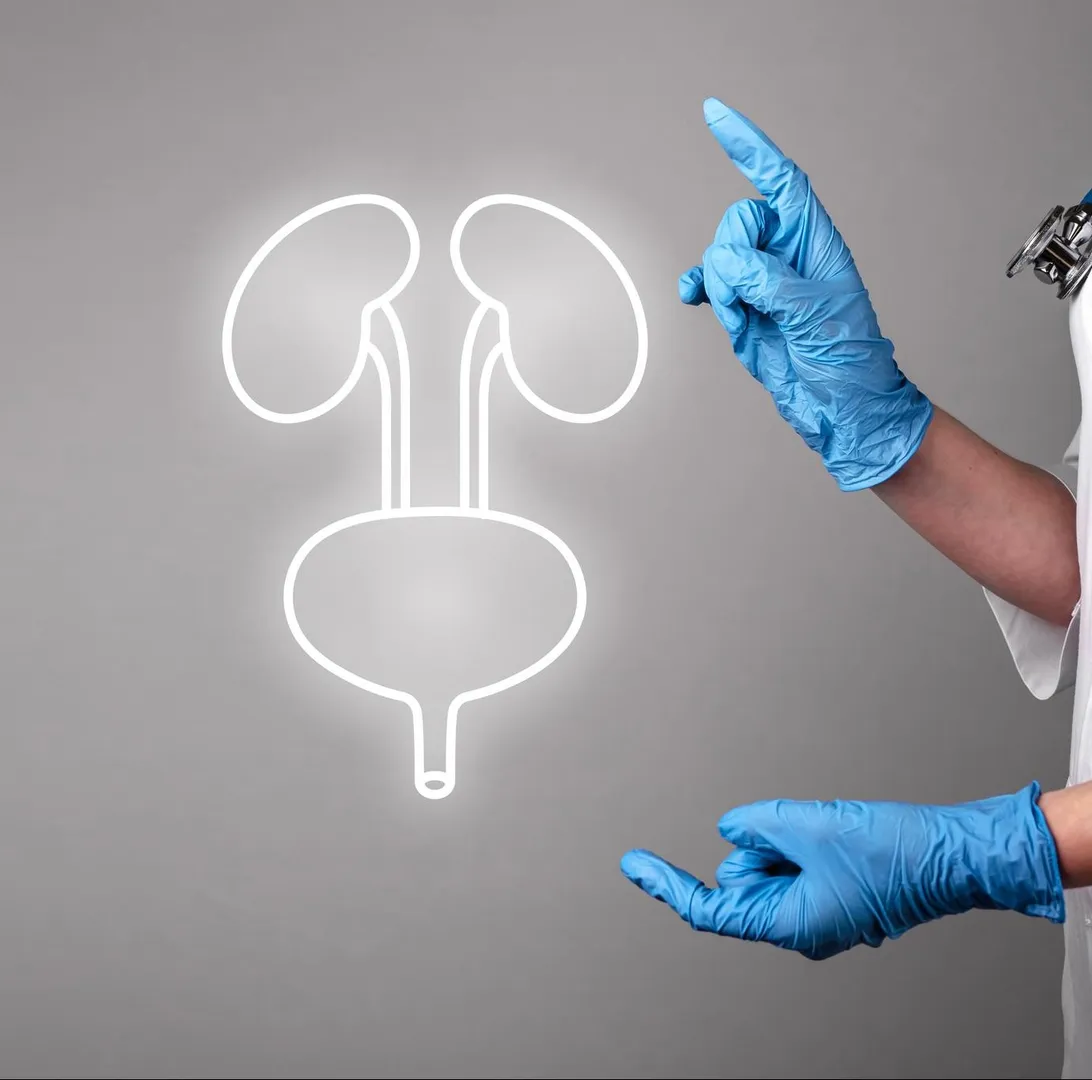
When symptoms persist, however, consulting a urology doctor can help identify whether the problem comes from the kidneys, bladder, prostate, urethra, or another part of the urinary system.
Blood in Urine Needs Evaluation
Visible blood in urine can occur with kidney stones, urinary infections, prostate conditions, bladder disorders, and other causes.
Even when bleeding occurs once and then disappears, it should not automatically be considered harmless.
A urological assessment can determine which investigations are appropriate based on age, symptoms, medical history, and individual risk factors.
Repeated Kidney Stone Pain Needs a Plan
A person who has previously experienced kidney stones may recognise familiar pain and assume that every new episode can be managed in the same way.
Stone position and obstruction can change from one episode to another.
Imaging may be needed to establish the size and location of the current stone and determine whether kidney drainage is affected.
Repeated stone formation may also justify preventive evaluation.
Difficulty Passing Urine Can Progress
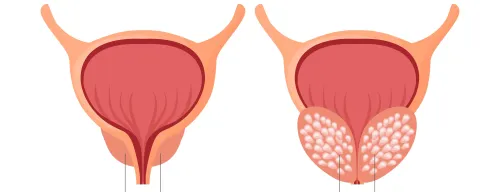
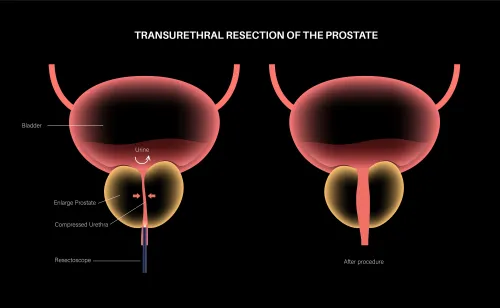
Weak flow, straining, incomplete bladder emptying, and frequent night-time urination are commonly associated with prostate enlargement in men, though other causes are possible.
Symptoms that progressively worsen should be evaluated rather than managed indefinitely by changing daily routines.
Complete inability to urinate requires prompt medical attention.
Recurrent Infection Deserves Investigation
Repeated episodes of burning urination and infection can sometimes indicate an underlying urinary problem.
Kidney stones, urinary obstruction, incomplete bladder emptying, and certain structural conditions can increase infection risk.
A urologist can determine whether additional testing is appropriate rather than repeatedly treating symptoms without investigating why they return.
Urinary Leakage Can Be Assessed
Urine leakage affects both women and men and can occur for different reasons.
Some people leak during coughing, sneezing, lifting, or exercise. Others experience sudden urgency followed by leakage. Men may also experience urinary control problems after certain prostate treatments.
Because the mechanisms differ, assessment is important before selecting treatment.
Male Reproductive Symptoms Also Fall Within Urology
Men may consult a urologist for fertility concerns, testicular symptoms, sexual health problems, and conditions involving the male reproductive system.
Persistent testicular swelling, a newly noticed lump, significant pain, or fertility concerns should be appropriately evaluated.
Prepare for the Consultation
Bringing previous imaging, laboratory reports, medication details, and a brief history of symptoms can make the appointment more useful.
Patients seeking urological assessment can consult Dr. Vivek Jadhav Laser Stone and Urology Clinic in Thane West for kidney stone, urinary, prostate, bladder, and male reproductive concerns.
The decision to see a urologist does not need to wait until symptoms become severe. Persistent symptoms, repeated episodes, unexplained bleeding, significant pain, urinary obstruction, and changes affecting everyday life are reasonable indicators that a focused urological assessment may be appropriate.
Keywords