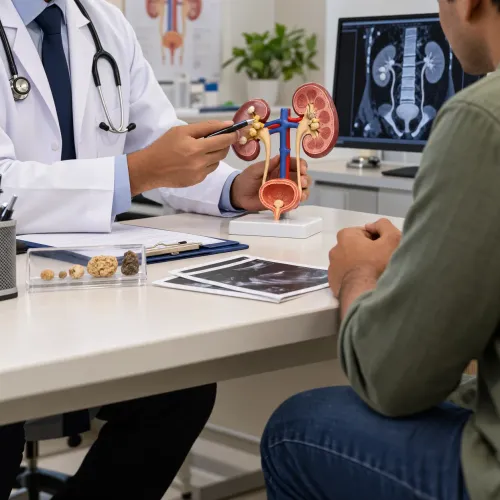

Booking an appointment with a Urology doctor can feel unfamiliar, particularly for patients experiencing symptoms they may find difficult to discuss. Understanding what happens during a consultation can make the process more straightforward and help patients arrive with the information needed for an accurate assessment.
In Thane West, Maharashtra, patients commonly seek urological evaluation for stones, urinary difficulties, prostate symptoms, recurrent infections, blood in urine, testicular concerns, and male reproductive problems.
Prepare a Clear Symptom History
The first part of the consultation is usually a detailed conversation.
Patients may be asked about:
- When symptoms started
- Where pain occurs
- Changes in urinary frequency
- Urine flow
- Burning or urgency
- Blood in urine
- Previous stones
- Previous urinary infections
- Medicines currently being taken
- Previous operations
- Relevant family history
Bringing previous scan reports, laboratory results, prescriptions, and procedure records can prevent unnecessary repetition and provide useful context.
What Examination May Be Required
The examination depends on the symptoms.
For urinary or kidney complaints, the doctor may examine the abdomen and back. Male patients with prostate or testicular concerns may require a focused examination when clinically appropriate.
The reason for any examination should be explained so the patient understands what information it provides.
Investigations Are Chosen According to the Problem
There is no single standard package of urology tests.
Urine testing may help identify blood or infection. Blood tests can assess kidney function and other relevant parameters. Ultrasound provides information about the kidneys, bladder, prostate, and urinary retention in suitable situations.
CT imaging can provide detailed information about urinary stones. Urine flow testing may help evaluate lower urinary tract symptoms.
Other specialized investigations are considered only when indicated.
What Happens When a Procedure Is Recommended
If a procedure is appropriate, patients should understand its purpose, alternatives, expected benefits, possible risks, anaesthesia requirements, hospital stay, and recovery before proceeding.
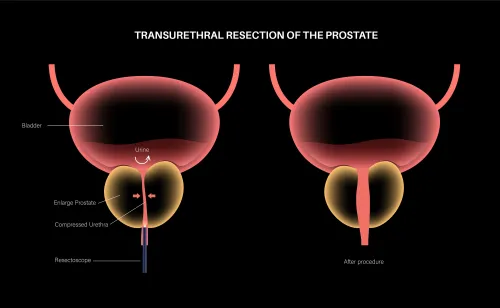
For example, a ureteric stone may be managed with ureteroscopy and laser fragmentation in appropriate cases. Significant benign prostate obstruction may be treated with TURP or another procedure selected according to individual findings.
The consultation should make clear why a particular intervention is being considered.
Recovery Planning Matters Before Treatment
Recovery instructions differ significantly between procedures.
Patients may need information about:
- When normal work can resume
- Driving restrictions
- Catheter or stent care
- Temporary urinary symptoms
- Medication use
- Physical activity
- Follow-up appointments
- Warning symptoms
Knowing these details in advance helps patients plan work and family responsibilities realistically.
Frequently Asked Questions
Should I arrive with a full bladder?
Some ultrasound or urine flow tests may require a comfortably full bladder. Follow any instructions provided for the planned assessment.
Will the first consultation involve surgery?
Usually, the initial objective is diagnosis and treatment planning. A procedure is arranged when clinically indicated.
Can I discuss sexual health or fertility concerns with a urology doctor?
Yes. Andrology and male reproductive problems form an important part of urological practice.
At Dr. Vivek Jadhav Laser Stone and Urology Clinic in Thane West, consultation can cover both common urinary symptoms and more complex urological concerns, with investigations selected according to the clinical problem rather than a one-size-fits-all approach.
Keywords