Men with benign prostate enlargement do not automatically require surgery. Medication and monitoring are often appropriate, particularly when symptoms remain manageable. TURP may be considered when prostate-related urinary obstruction becomes significant, medication does not provide adequate relief, or complications make procedural treatment appropriate.
For men in Thane West, Maharashtra, understanding why TURP is recommended can make treatment decisions more informed.
What TURP Is Designed to Do
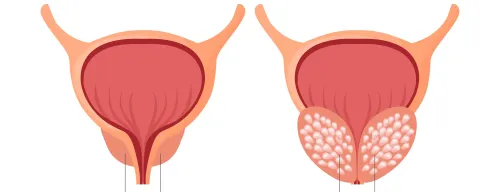
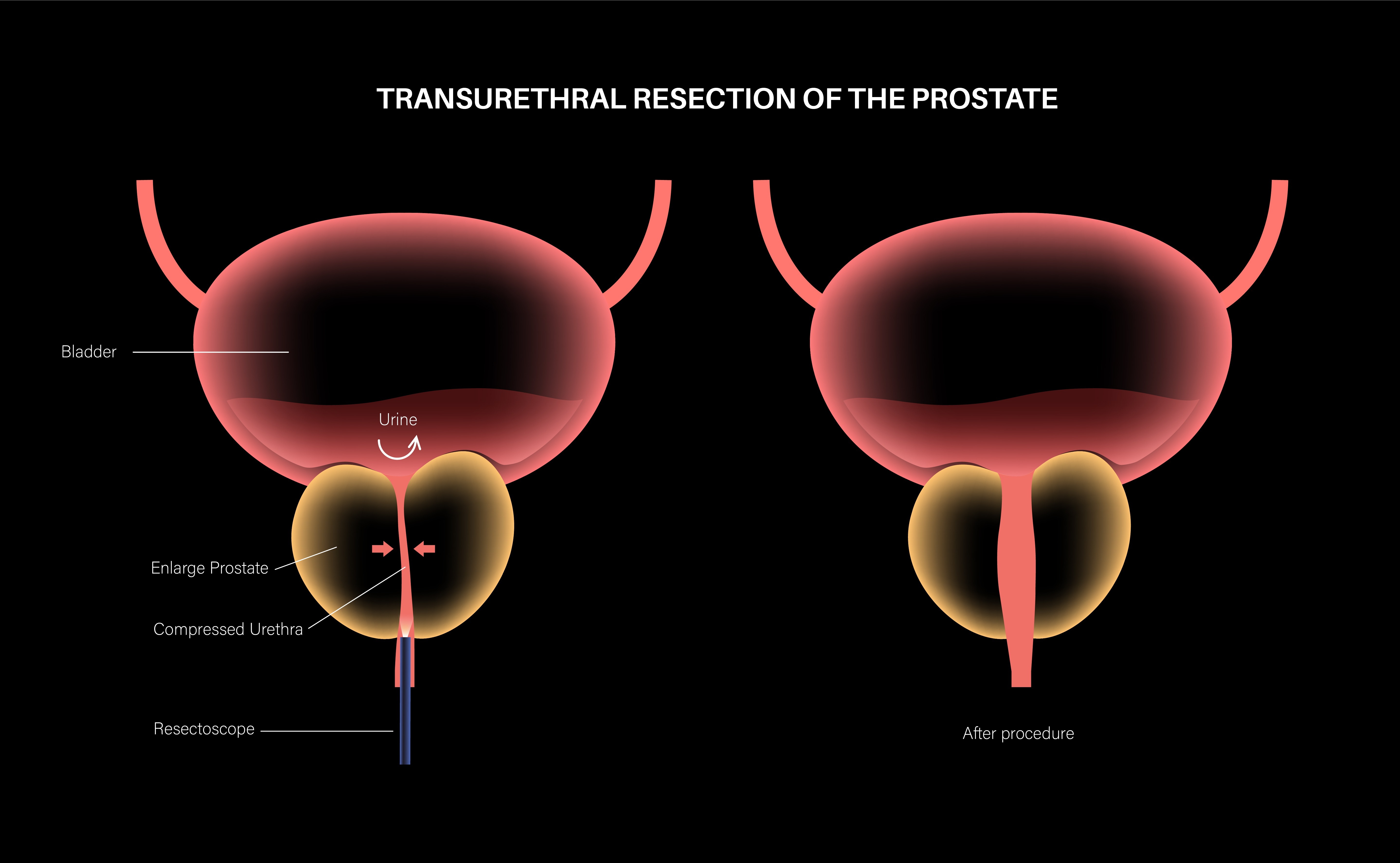
TURP stands for transurethral resection of the prostate. It is performed through the urinary passage without a conventional external surgical incision.
During the procedure, obstructing prostate tissue is removed to create a clearer channel for urine flow.
TURP treats urinary obstruction caused by benign prostate enlargement. It is not simply performed because an imaging report shows that the prostate is enlarged.
When Doctors May Discuss the Procedure
A procedure may be considered when symptoms substantially affect daily life or when complications develop.
Relevant situations can include:
- Persistent weak urine flow
- Significant difficulty emptying the bladder
- Repeated urinary retention
- Recurrent infections associated with obstruction
- Bladder stones in certain cases
- Urinary tract complications related to prostate obstruction
- Symptoms inadequately controlled with medication
The patient's health, prostate characteristics, medication history, and investigation results all influence the decision.
What Happens Around the Procedure
Before TURP, patients generally undergo clinical assessment and appropriate investigations. Medications, particularly medicines that influence bleeding, need to be reviewed by the treating team.
The procedure is performed under anaesthesia. A urinary catheter is usually placed afterward to allow urine drainage while the operated area settles.
Hospital stay varies according to recovery and individual medical factors.
How Long Does Recovery Take
Patients commonly experience temporary urinary frequency, urgency, mild burning, or some blood staining during recovery.
Strenuous exercise and heavy lifting may need to be avoided for a period advised by the surgeon. Fluid intake and medication instructions should also be followed.
Improvement in urinary flow may be noticed relatively early, while irritation-related symptoms can take longer to settle.
Recovery should be viewed as a gradual process rather than a fixed number of days for every patient.
Benefits and Risks to Understand
The main objective of TURP is to relieve bladder outlet obstruction and improve urinary flow and emptying.
Possible risks can include bleeding, urinary infection, temporary difficulty urinating, urethral narrowing, urinary leakage in some cases, and changes in ejaculation. Retrograde ejaculation, where semen travels into the bladder instead of exiting normally, is a recognized consideration after prostate procedures such as TURP.
Patients concerned about sexual or fertility implications should discuss these issues before treatment.
Frequently Asked Questions
Is TURP suitable for every enlarged prostate?
No. Procedure selection depends on prostate characteristics, symptoms, health status, and other clinical factors.
Will a catheter be required?
A catheter is commonly used temporarily after TURP.
Can prostate tissue grow again?
TURP removes obstructing tissue rather than the entire prostate. Some patients can develop recurrent symptoms over time.
A consultation at Dr. Vivek Jadhav Laser Stone and Urology Clinic in Thane West can establish whether urinary symptoms are caused by benign prostate obstruction and whether TURP is among the appropriate treatment options.
Keywords