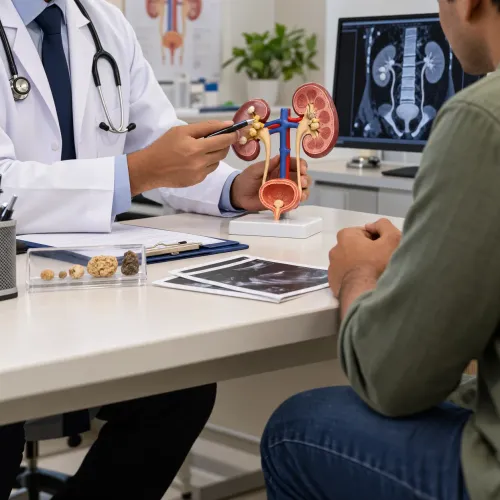

Choosing a Urology clinic is not only about finding a nearby appointment. Urology covers a broad range of conditions, from kidney stones and prostate enlargement to urinary infections, male reproductive concerns, pediatric urological problems, urinary cancers, and complex procedures. The right setting should therefore match the patient's actual condition and treatment requirements.
For patients searching in Thane West, Maharashtra, a few practical questions can make provider selection more informed.
Start With the Doctor's Relevant Scope of Practice
Patients should first determine whether the clinic routinely evaluates the type of problem they are experiencing.
For example, someone with a ureteric stone may need endourological expertise. A patient with male infertility may require andrological evaluation. Prostate obstruction, pediatric urinary conditions, suspected urinary cancers, and complex reconstructive or transplant-related cases can involve different diagnostic and procedural requirements.
Relevant experience matters more than broad promotional claims.
Check How Diagnosis Is Approached
A good consultation should not jump directly from symptoms to a procedure.
Ask how the diagnosis will be confirmed and which investigations are actually necessary. Depending on the condition, assessment may involve urine tests, kidney function tests, ultrasound, CT imaging, uroflowmetry, cystoscopy, or other targeted investigations.
Patients should understand why a test is being recommended.
Ask Specific Questions About a Proposed Procedure
When surgery or an endoscopic procedure is discussed, useful questions include:
- Why is this procedure appropriate?
- Are non-surgical options reasonable?
- What type of anaesthesia is expected?
- Is hospitalization required?
- Will a catheter or ureteric stent be needed?
- How will pain be managed?
- When can routine activities resume?
- What follow-up is required?
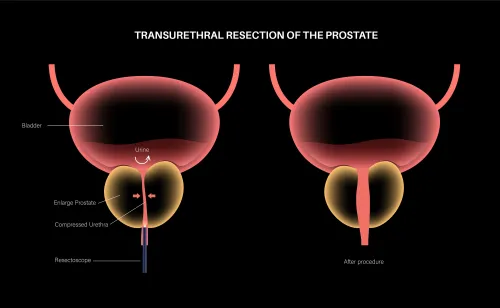
These questions are particularly useful before kidney stone procedures, TURP, and other urological interventions.
Understand Recovery Before Scheduling Treatment
Recovery time affects work, travel, caregiving, and physical activity.
A patient undergoing an uncomplicated endoscopic procedure may have a different recovery experience from someone having more extensive surgery. Temporary urinary burning, blood staining, urgency, catheter discomfort, or stent symptoms may occur after certain procedures.
Rather than relying on a generic promise of quick recovery, patients should ask what is typical for their particular treatment and what factors could extend recovery.
Discuss Benefits and Risks Clearly
Every procedure should have a defined clinical objective.
For a blocked ureteric stone, the goal may be to restore drainage and treat the stone. For benign prostate obstruction, treatment may aim to improve urinary flow and bladder emptying.
Potential risks should also be explained. Depending on the procedure, these may include infection, bleeding, injury to urinary structures, temporary urinary problems, changes in ejaculation, residual stones, or the possibility of additional intervention.
Consider Continuity of Follow Up
Urological care does not necessarily end when a procedure is completed.
Stone patients may need stent removal, imaging, stone analysis, or recurrence-prevention advice. Prostate patients may need review of urinary flow and symptoms. Patients treated for more complex conditions can require longer-term monitoring.
Knowing who will manage follow-up is therefore an important part of choosing a clinic.
Frequently Asked Questions
Should I bring old reports to my first visit?
Yes. Previous scans, laboratory reports, prescriptions, operative records, and stone analysis reports can provide valuable clinical context.
Does advanced technology automatically mean better treatment?
Technology can expand treatment options, but appropriate patient selection, diagnosis, procedural expertise, and follow-up remain equally important.
Should I ask about alternatives before agreeing to surgery?
Yes. Understanding reasonable alternatives, including observation or medication when appropriate, helps patients make informed treatment decisions.
What symptoms should not wait for a routine appointment?
Sudden inability to urinate, severe testicular pain, stone symptoms accompanied by fever or chills, heavy urinary bleeding with clots, and severe urinary symptoms with significant illness require prompt assessment.
Dr. Vivek Jadhav Laser Stone and Urology Clinic provides urological evaluation in Thane West across kidney stone disease, prostate conditions, urinary disorders, andrology, endourology, and other urological concerns. Choosing a clinic should ultimately come down to whether the patient receives a clear diagnosis, an appropriate explanation of available options, realistic recovery guidance, and structured follow-up after treatment.
Keywords