


Burning while passing urine is one of the most recognised signs of a urinary tract infection, but it is not the only symptom that deserves attention. Frequent urination, urgency, lower abdominal discomfort, cloudy urine, and changes in urinary habits can also occur.
Effective urinary infection treatment begins with understanding whether an infection is actually present and whether another urinary condition may be contributing to the symptoms.
This is especially relevant when infections recur or symptoms persist despite previous treatment.
Common Signs of a Urinary Infection
Urinary tract infection symptoms can vary according to the part of the urinary system involved.
Possible symptoms include:
- Burning during urination
- Frequent trips to the washroom
- Passing small amounts of urine repeatedly
- Strong urinary urgency
- Lower abdominal discomfort
- Cloudy urine
- Unusual urine smell
- Blood in urine
- Fever in some cases
- Back or flank discomfort
Symptoms alone cannot always confirm an infection because kidney stones, bladder irritation, prostate problems, and certain other conditions can produce overlapping complaints.
Why Urine Testing Can Be Useful
A urine examination can identify findings that support the diagnosis of an infection. In selected situations, a urine culture may be recommended to identify the organism involved and determine which antibiotics are likely to be effective.
This becomes particularly relevant with recurrent infections, complicated urinary problems, previous antibiotic exposure, or infections that have not responded as expected.
Using antibiotics without appropriate medical guidance may lead to incomplete treatment and can contribute to antimicrobial resistance.
Recurrent Infection Needs a Closer Look
When urinary infections repeatedly return, treating each episode without investigating the underlying reason may leave an important problem unidentified.
Factors associated with recurrent infections can include:
- Urinary obstruction
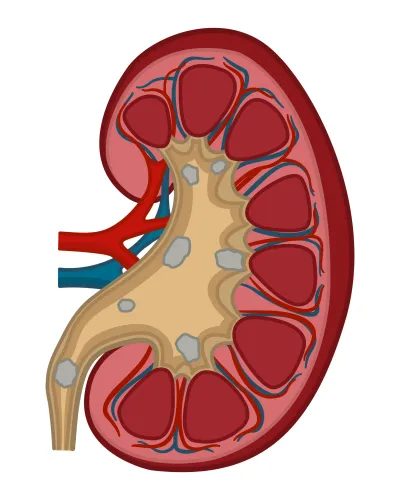
- Kidney stones
- Incomplete bladder emptying
- Enlarged prostate
- Structural urinary abnormalities
- Certain medical conditions
- Catheter use
A urological evaluation may therefore include imaging or additional investigations when clinically indicated.
Fever Changes the Situation
A simple lower urinary infection may cause burning and frequency without significant systemic illness. Fever, chills, vomiting, marked weakness, or pain around the side and back can indicate more extensive urinary involvement.
These symptoms warrant timely medical assessment.
Men with urinary infections may also require additional evaluation because prostate enlargement, urinary obstruction, stones, and other underlying conditions can sometimes contribute to infection.
Prevention Depends on the Cause
General habits such as maintaining suitable hydration and avoiding unnecessarily prolonged urine holding may support urinary health. However, recurrent infections should not automatically be attributed to inadequate water intake or hygiene.
The appropriate preventive strategy depends on why the infections are occurring.
People seeking evaluation can consult Dr. Vivek Jadhav Laser Stone and Urology Clinic in Thane West for urinary symptoms, recurrent infections, and associated urological concerns.
For patients the key point is straightforward. Urinary burning and frequency may indicate an infection, but persistent, recurrent, or complicated symptoms deserve proper evaluation. Accurate diagnosis helps determine whether treatment requires medication alone or whether an underlying urinary condition also needs attention.