

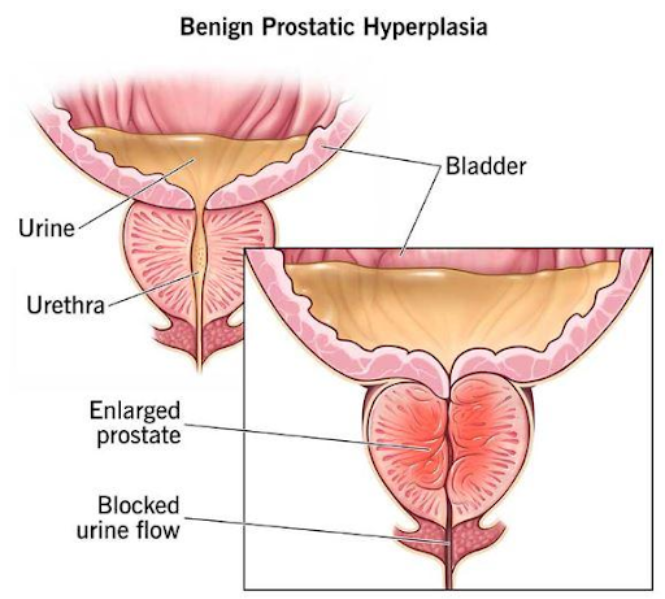
Needing more time to pass urine, waking repeatedly at night, and experiencing a weaker stream are changes many men notice as they get older. One possible explanation is Benign Prostatic Hypertrophy, commonly discussed clinically as benign prostatic hyperplasia or BPH.
BPH is a non-cancerous enlargement of the prostate. Although it becomes increasingly common with age, symptoms should not simply be dismissed as an unavoidable part of getting older.
How an Enlarged Prostate Affects Urine Flow
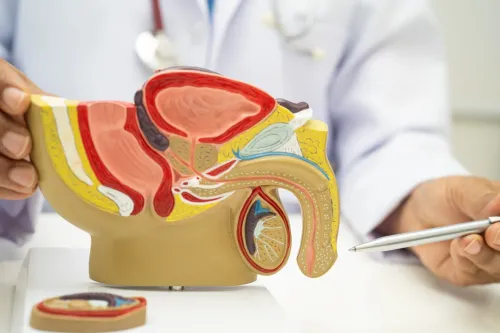
The prostate is located below the bladder, surrounding part of the urethra. As prostate tissue enlarges, it can place pressure around the urinary passage.
This may lead to symptoms such as:
- Hesitation before urine begins
- Weak urinary stream
- Intermittent urine flow
- Straining during urination
- Frequent urination
- Urgency
- Night-time urination
- Incomplete emptying sensation
The size of the prostate does not always correspond directly with symptom severity. A moderately enlarged prostate can sometimes produce significant symptoms, while a larger prostate may cause relatively little difficulty.
BPH Is Different From Prostate Cancer
One frequent concern among patients is whether an enlarged prostate means cancer.
BPH and prostate cancer are different conditions. BPH itself is benign. However, some urinary symptoms can overlap with those caused by other prostate conditions, which is why assessment rather than self-diagnosis matters.
A urologist considers symptoms, examination findings, age, medical history, and appropriate investigations before determining the likely cause.
How BPH Is Evaluated
Assessment may include a discussion of urinary symptoms and how strongly they affect daily life.
Tests can include:
- Urine examination
- Kidney function tests when indicated
- Ultrasound assessment
- Urinary flow measurement
- Post-void residual urine measurement
- PSA testing in suitable patients
Additional investigations may be recommended when symptoms or initial findings suggest a need for closer evaluation.
Not Every Patient Needs a Procedure
Treatment depends on symptom severity and whether the enlarged prostate is causing complications.
Men with mild symptoms may sometimes be monitored with appropriate lifestyle guidance. Medicines can be considered when symptoms interfere with normal activities.
Procedural management may become relevant when symptoms remain troublesome despite medication or when complications such as urinary retention, recurrent infection, bladder stones, or effects on the upper urinary tract develop.
The choice of treatment should be based on individual clinical findings rather than prostate enlargement alone.
Pay Attention to Changes Over Time
A urinary pattern that has remained stable for years may require a different approach from symptoms that have recently become much worse.
Keeping track of night-time urination, stream strength, urgency, difficulty starting, and episodes of retention can help provide useful information during consultation.
Men can access evaluation for prostate-related urinary concerns at Dr. Vivek Jadhav Laser Stone and Urology Clinic in Thane West.
Understanding BPH helps remove unnecessary assumptions while highlighting symptoms that should not be ignored. The objective of assessment is to determine how much the prostate is affecting urinary function and then select management that fits the patient's symptoms, test findings, health status, and individual needs.