

Changes in urination can develop gradually, which is why many men initially adjust their routines rather than discuss the symptoms with a doctor. They may start waking more often at night, spend longer in the washroom, notice a weaker stream, or feel that the bladder has not emptied completely.
These symptoms can have several causes. Age-related prostate enlargement is one possibility, but urinary infection, bladder conditions, medicines, and other urological problems may produce similar complaints. Proper evaluation is therefore an important part of prostate treatment.
For men living in Thane West and surrounding parts of Maharashtra, recognising persistent urinary changes can help them decide when a urological assessment is appropriate.
Common Changes Linked With Prostate Problems
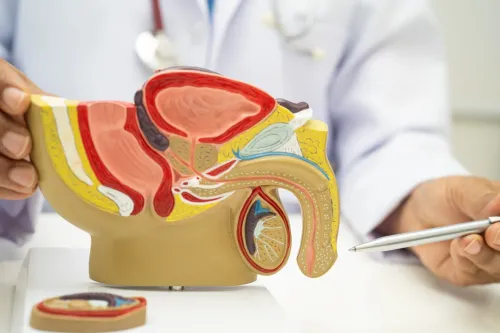
The prostate sits below the bladder and surrounds part of the urethra. When it enlarges, it can affect the normal passage of urine.
Symptoms that may occur include:
- Difficulty starting urination
- Weak urinary flow
- Frequent need to urinate
- Increased urination during the night
- Sudden urgency
- Dribbling after urination
- Feeling that urine remains in the bladder
- Straining while passing urine
Having one of these symptoms does not automatically identify the cause. A clinical assessment helps distinguish prostate-related symptoms from other urinary conditions.
What Happens During Evaluation
A urologist generally begins by discussing the nature and duration of symptoms. Information about existing illnesses, medicines, previous urinary infections, and changes in bladder habits can provide useful context.
Depending on the individual situation, evaluation may involve urine tests, blood investigations, ultrasound imaging, examination of the prostate, assessment of urinary flow, and measurement of urine remaining in the bladder after urination.
PSA testing may also be considered in appropriate patients. Its relevance depends on age, symptoms, clinical findings, and individual risk factors.
Treatment Depends on the Diagnosis
Prostate treatment is not identical for every patient. Mild symptoms may sometimes be managed through observation, lifestyle measures, and periodic follow-up.
A doctor may also prescribe medicines intended to improve urinary flow or influence prostate enlargement when clinically appropriate.
If symptoms become significant, complications develop, or medicines do not provide adequate control, procedural treatment may be discussed. The specific procedure depends on factors such as prostate size, bladder function, general health, and findings from diagnostic tests.
Daily Habits Can Affect Urinary Symptoms
Some practical changes may complement medical management. Patients may be advised to review evening fluid intake, reduce excessive caffeine, avoid delaying urination for long periods, and discuss medicines that appear to worsen urinary symptoms.
These measures are supportive rather than substitutes for diagnosis.
When Prompt Assessment Matters
Medical attention becomes particularly important when urinary symptoms are accompanied by inability to pass urine, visible blood in urine, fever, severe pain, or repeated urinary infections.
Persistent symptoms also deserve evaluation even when they are not severe. Gradual changes can still affect sleep, daily activities, and bladder health.
At Dr. Vivek Jadhav Laser Stone and Urology Clinic, patients in Thane West can undergo evaluation for prostate and urinary concerns based on their symptoms and clinical findings.
The useful first step in managing prostate symptoms is identifying what is actually causing them. Once the underlying problem is understood, treatment can be selected according to symptom severity, test results, age, overall health, and individual clinical needs.