

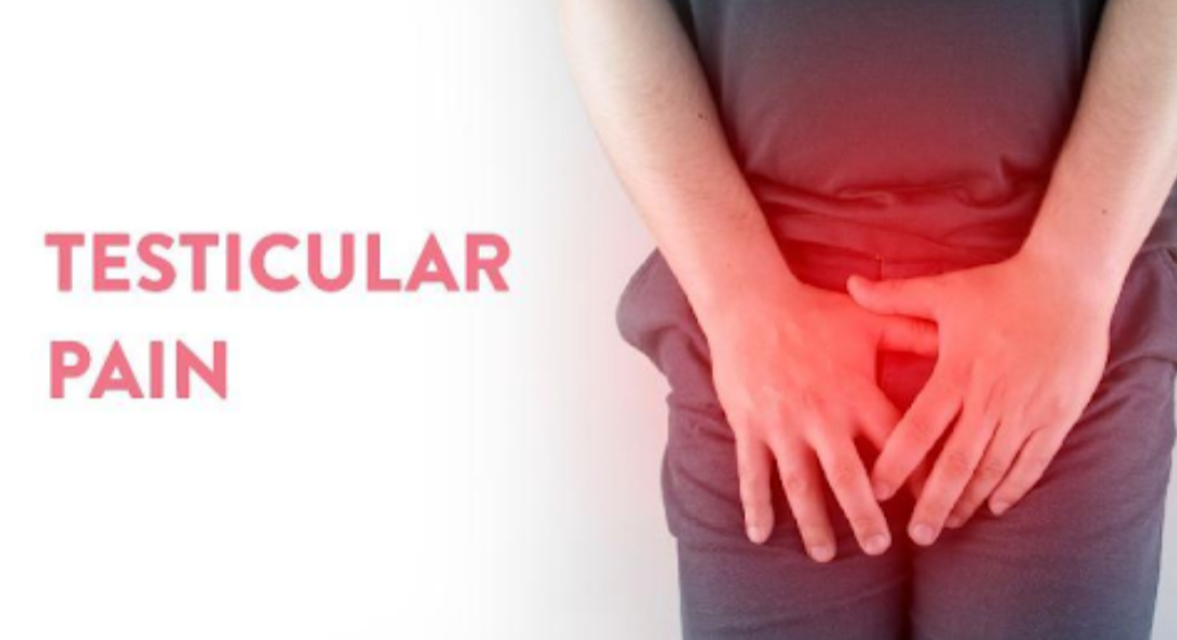
Testicular pain can range from mild discomfort to sudden, severe pain that requires emergency medical attention. While temporary soreness may occasionally result from minor injury or physical activity, persistent or intense testicular pain should never be ignored. Early diagnosis is essential because some underlying conditions require immediate treatment to protect both reproductive and urinary health.
Understanding the possible causes and recognising warning signs can help patients know when it is time to seek specialist care.
What Causes Testicular Pain?
Pain may originate within the testicle itself or from surrounding structures such as the epididymis, spermatic cord, or nearby tissues.
Common causes include:
- Infection
- Injury
- Kidney stones causing referred pain
- Inguinal hernia
- Epididymitis
- Hydrocele
- Varicocele
- Testicular torsion
- Nerve-related pain
Each condition requires a different treatment approach, making accurate diagnosis essential.
Symptoms That Need Prompt Medical Attention
Some symptoms suggest that urgent evaluation is necessary.
Seek immediate medical care if you experience:
- Sudden, severe testicular pain
- Swelling of the scrotum
- Redness or warmth
- Fever with pain
- Nausea or vomiting accompanying pain
- Pain following trauma
- A noticeable lump
- Persistent discomfort lasting more than a day
One of the most serious conditions is testicular torsion, where the blood supply to the testicle becomes twisted. This is a surgical emergency and requires immediate treatment.
Can Kidney Stones Cause Testicular Pain?
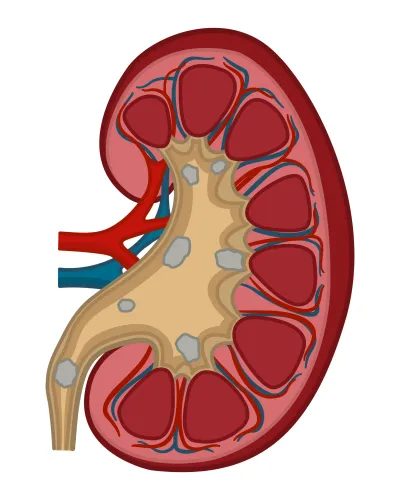
Yes. Many people are surprised to learn that kidney stones can cause pain that radiates into the groin or testicle.
This happens because the nerves supplying the kidney and testicle share similar pathways. As a stone moves through the ureter, pain may spread from the side of the abdomen toward the groin.
When testicular pain is accompanied by severe flank pain, blood in the urine, or difficulty passing urine, kidney stones may be considered during evaluation.
How Is Testicular Pain Diagnosed?
Diagnosis begins with a detailed discussion of your symptoms and medical history.
Depending on your condition, investigations may include:
- Physical examination
- Urine analysis
- Blood tests
- Scrotal ultrasound
- Kidney ultrasound
- CT scan when kidney stones are suspected
- Additional imaging if required
These tests help determine the exact cause and guide appropriate treatment.
Treatment Depends on the Underlying Cause
Management varies according to the diagnosis.
Possible treatments include:
- Antibiotics for bacterial infections
- Anti-inflammatory medication
- Supportive care for minor injuries
- Treatment of kidney stones
- Surgical repair for torsion or hernia
- Monitoring for certain benign conditions
Self-medicating without identifying the underlying cause may delay appropriate treatment.
When Should You See a Urologist?
A specialist consultation is recommended if:
- Pain persists beyond 24 hours
- Symptoms repeatedly return
- Swelling develops
- A lump is detected
- Urinary symptoms occur along with the pain
- There is a history of kidney stones
Early evaluation helps prevent complications and provides reassurance when the condition is not serious.
Looking After Your Urological Health
Simple preventive measures can reduce the risk of certain urological problems.
These include:
- Staying well hydrated
- Treating urinary infections promptly
- Wearing protective gear during sports
- Attending routine medical check-ups
- Seeking medical attention whenever unusual symptoms develop
Ignoring persistent pain may allow potentially serious conditions to worsen.
Men experiencing testicular pain in Thane West should seek professional assessment rather than waiting for symptoms to resolve on their own. Dr. Vivek Jadhav Laser Stone and Urology Clinic provides comprehensive evaluation using modern diagnostic methods to identify the cause of testicular pain and recommend the most appropriate treatment. Early diagnosis supports faster recovery, protects reproductive health, and helps prevent avoidable complications.