

Kidney disease often develops gradually, and in its early stages, many people experience few or no noticeable symptoms. Because of this, the condition may remain undetected until it begins affecting kidney function or causing complications. Recognising the warning signs and understanding when specialist care is necessary can help preserve kidney health and prevent long-term damage.
While not every kidney condition requires surgery, many patients benefit from evaluation by a urologist, particularly when structural problems, kidney stones, or urinary tract disorders contribute to declining kidney function.
Understanding Kidney Disease
The kidneys perform several essential functions that support overall health.
They help:
- Remove waste products from the blood
- Maintain fluid balance
- Regulate blood pressure
- Balance electrolytes
- Support healthy red blood cell production
When the kidneys become damaged or their function declines, these vital processes are affected.
Common Causes of Kidney Disease
Several medical conditions increase the risk of kidney disease.
These include:
- Diabetes
- High blood pressure
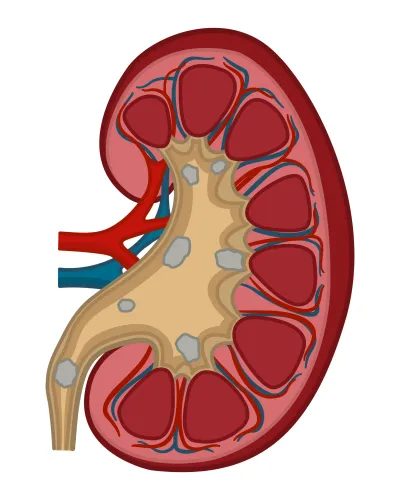
- Recurrent kidney stones
- Urinary tract obstruction
- Chronic urinary infections
- Congenital abnormalities
- Certain inherited kidney disorders
Early identification of these risk factors allows treatment before significant kidney damage occurs.
Symptoms That Should Not Be Ignored
Kidney disease often progresses silently, but certain symptoms may indicate that medical evaluation is needed.
Watch for signs such as:
- Persistent swelling in the feet or ankles
- Blood in the urine
- Frequent urination, especially at night
- Reduced urine output
- Flank pain
- Persistent fatigue
- Nausea
- High blood pressure that is difficult to control
Some patients also experience recurrent kidney stone pain or repeated urinary infections due to underlying urinary tract problems.
How Is Kidney Disease Diagnosed?
A thorough assessment helps determine the severity and possible cause of kidney disease.
Investigations may include:
- Blood tests to assess kidney function
- Urine routine examination
- Urine protein analysis
- Ultrasound of the kidneys
- CT scan when required
- Blood pressure evaluation
- Additional imaging for suspected urinary obstruction
These tests provide valuable information for planning appropriate treatment.
When Should You See a Urologist?
Not all kidney diseases require surgical treatment. However, specialist urological care becomes important when kidney problems are associated with structural abnormalities or urinary tract conditions.
A urologist may be involved if you have:
- Kidney stones
- Urinary blockage
- Enlarged prostate affecting urine flow
- Recurrent urinary tract infections
- Kidney cysts
- Blood in the urine requiring investigation
- Obstruction causing reduced kidney drainage
Timely intervention can prevent permanent damage to the kidneys.
Treatment Depends on the Underlying Cause
Managing kidney disease involves treating the condition responsible for kidney damage.
Treatment may include:
- Lifestyle modifications
- Blood pressure control
- Diabetes management
- Medication
- Removal of kidney stones
- Relief of urinary obstruction
- Endoscopic or minimally invasive procedures when required
Every treatment plan is individualised based on the patient's overall health and kidney function.
Protecting Your Kidneys Every Day
Healthy lifestyle habits play an important role in reducing the risk of kidney disease progression.
Simple preventive measures include:
- Staying well hydrated
- Limiting excess salt intake
- Maintaining a healthy body weight
- Exercising regularly
- Avoiding unnecessary painkiller use
- Managing diabetes and hypertension
- Attending routine health check-ups
These habits support both kidney and overall health.
Why Early Diagnosis Matters
Kidney disease identified in its early stages is often easier to manage than advanced disease.
Early medical evaluation can help:
- Slow disease progression
- Preserve kidney function
- Prevent complications
- Reduce hospital admissions
- Improve long-term quality of life
Waiting until symptoms become severe may limit available treatment options.
Individuals concerned about kidney disease in Thane West should seek timely specialist evaluation, particularly if symptoms persist or kidney stones and urinary tract disorders are present. Dr. Vivek Jadhav Laser Stone and Urology Clinic provides comprehensive assessment using modern diagnostic techniques to identify the cause of kidney-related problems and recommend evidence-based treatment. Early diagnosis remains one of the most effective ways to protect long-term kidney health.