Urine leakage can mean a small cough-related leak, a sudden uncontrollable urge, dribbling from incomplete emptying, or a symptom of infection, nerve disease, or pelvic injury. By identifying the leakage pattern, recognising urgent warning signs, and preparing useful information for an appointment, you can choose the right level of care instead of relying on pads, fluid restriction, or unnecessary antibiotics.
Key takeaways
- Track triggers, timing, volume, and urgency before your appointment.
- Seek urgent care for leakage with blood, fever, severe pain, or new weakness.
- Expect questions, urine testing, and an examination during evaluation.
- Pelvic floor exercises, bladder training, medicines, and procedures suit different causes.
Start by Identifying the Leakage Pattern
The trigger, timing, and amount of leakage usually identify its pattern better than the word “wetting” alone. Leakage is different from urinary urgency or frequent urination: urgency is a sudden, difficult-to-delay need to urinate, while frequency means urinating often, with or without leakage.
- Stress incontinence: urine escapes when you cough, sneeze, lift, run, or exercise.
- Urge incontinence: an involuntary leak follows urinary urgency, often before you reach the toilet.
- Mixed incontinence: stress incontinence and urge incontinence occur together.
- Overflow incontinence: an incompletely emptied bladder leaks because it remains overfull. Weak stream, hesitancy, straining, a feeling of incomplete emptying, frequent small voids, and continuous dribbling point toward this pattern; a bladder scan or catheterization can support it by measuring post-void residual urine.
- Functional incontinence: you have bladder control but cannot reach or use the toilet because of limited mobility, confusion, or another disability.
- Continuous leakage: urine leaks constantly rather than only during activity or urgency. A fistula or ectopic ureter can cause this pattern.
- Post-void dribbling: a small amount leaks after you finish urinating, separate from ongoing bladder leakage.
- Bedwetting: urine leakage occurs during sleep.
Urinary-tract infection leakage can occur with new burning, urgency, and frequency, but testing is needed instead of assuming every leak is an infection. The pattern, accompanying symptoms, and a urine test guide the next assessment.
Common Causes in Women, Men, and People with Temporary Triggers
Pregnancy, vaginal childbirth, and pelvic-floor injury can weaken urethral support. Menopause-related tissue changes and lower oestrogen effects on tissues can reduce closure and cause irritation. Pelvic-organ prolapse and prior pelvic surgery can alter bladder or urethral position, while persistent leakage after pregnancy needs assessment.
| Group | Common causes | What may point to the cause |
|---|---|---|
| Women | Pregnancy, vaginal childbirth, pelvic-floor injury, menopause, pelvic-organ prolapse, prior pelvic surgery | Leakage with coughing, movement, or pelvic pressure |
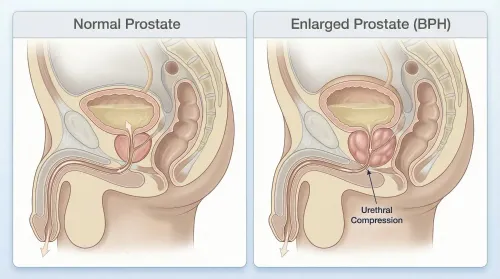
| Men | Benign prostatic enlargement, urethral narrowing, prostate surgery, incomplete bladder emptying | Weak stream, straining, dribbling, or leakage after prostate treatment |
| Temporary triggers | Urinary-tract infection, constipation, poorly controlled diabetes, high fluid intake, caffeine, alcohol, carbonated drinks, artificial sweeteners | Sudden change in urgency, frequency, burning, or bowel symptoms |
Neurologic disease can produce an overactive bladder that stores poorly or an underactive bladder that does not empty. Important causes include multiple sclerosis, Parkinson disease, stroke, spinal-cord disease, diabetes-related nerve injury, and cauda equina disorders. New leakage with leg weakness, saddle numbness, or loss of bowel control requires emergency care.
Diuretic medicines increase urine production; sedatives and some antihistamines can reduce awareness or mobility; alpha-adrenergic drugs can affect bladder outlet function. Do not stop a prescribed medicine without medical advice. Children, older adults, and people with recent pelvic or prostate surgery need assessment when leakage is new, persistent, or worsening.
Know When Leakage Needs Urgent or Routine Medical Assessment
Go to emergency care for inability to pass urine, painful bladder distention, severe lower-abdominal pain, or blood in the urine or clots with difficulty passing urine. Acute retention can damage the urinary tract and often needs prompt catheter drainage while clinicians find the cause.
Seek emergency assessment for fever or chills with flank pain, leakage after pelvic injury, or sudden new incontinence with new leg weakness, saddle-area numbness, or loss of bowel control. These symptoms can signal infection, injury, or a spinal emergency.
Book a urologist appointment for:
- One episode of unexplained leakage, repeated leakage, night-time wetting, or leakage limiting work, exercise, or sleep
- Leakage persisting after infection treatment, recurrent infections, weak stream, incomplete emptying, pelvic pain, or blood in the urine
- New leakage after recent prostate or pelvic surgery, radiation, childbirth, or pelvic-cancer treatment
Start with a primary-care doctor when symptoms are mild or the cause is unclear; they can arrange urine testing and referral. A gynaecologist or urogynecologist fits pregnancy-related or pelvic-floor concerns, while a neurologist is needed after emergency assessment for suspected nerve disease. A pelvic-floor physiotherapist can guide rehabilitation after diagnosis.
Children and older adults need assessment for new leakage or night-time wetting rather than indefinite self-management.
What the Evaluation Tests and How to Prepare
A useful appointment starts with a symptom history, not a guess about the cause. Record the timing of leaks and what happens immediately beforehand.
1. Bring notes covering coughing, lifting, exercise, urgency, pad use, fluid and caffeine intake, bowel symptoms, medicines, pain, fever, and urine-stream strength. Keep a seven-day bladder diary when the clinician requests or accepts it, recording drinks, voiding times, approximate volumes, urgency, and leaks.
Expect a medication review because diuretics, sedatives, and other drugs can change symptoms.
2. The examination may include an abdominal examination, pelvic examination, and genital examination. Initial tests commonly include urinalysis, with a urine culture when infection is suspected.
A post-void residual measurement by bladder scan or catheterization shows whether urine remains after you void; uroflowmetry measures stream speed and pattern, while ultrasound checks the urinary tract and bladder.
3. Results determine the next step. Stress leakage points toward pelvic-floor therapy or continence procedures; overactive bladder points toward bladder training or medicines. Weak flow, straining, incomplete emptying, frequent small voids, or continuous dribbling raises concern for obstruction-related overflow, which requires treatment of the blockage rather than leakage alone.
Urodynamic testing is reserved for cases where the diagnosis remains unclear.
Self-Care, Treatment Trade-Offs, and Follow-Up Expectations
Start with low-risk measures while arranging assessment: pelvic-floor exercises, taught by pelvic-floor physiotherapy for women and men, can improve stress leakage when performed consistently. Add timed voiding, bladder training, constipation treatment, weight management, caffeine reduction, and sensible fluid intake rather than severe restriction. Absorbent pads manage wetness but do not treat the cause.
- Keep a bladder diary and agree on a conservative-treatment duration, often 8–12 weeks.
- Request a medication review without stopping prescribed diuretics or other medicines; diuretics, sedatives, antihistamines, and constipation-causing drugs can worsen leakage.
- Do not assume antibiotics are appropriate for every leak. Use urine testing when burning, new urgency, fever, or other infection symptoms suggest a urinary infection.
- Seek reassessment sooner if you cannot empty your bladder, develop pain or blood, or leakage rapidly worsens.
| Treatment | Trade-off | When it applies |
|---|---|---|
| Medicines | May reduce urgency but require review for side effects and retention | Urge leakage after assessment |
| Pessaries or bladder injections | Need fitting or repeat specialist procedures | Selected women or persistent urgency |
| Sling procedures or artificial urinary sphincters | Surgery brings recovery time and complications | Persistent stress leakage |
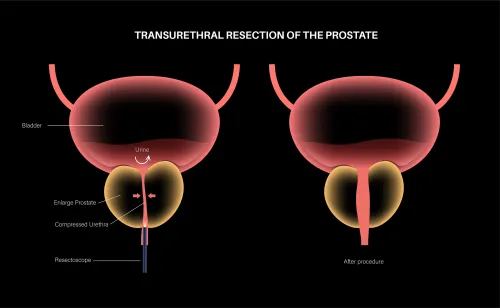
| Prostate-obstruction treatment | Helps overflow from obstruction, not every leak | Confirmed poor emptying or residual urine |
Laser prostate or stone procedures suit selected obstruction or stone problems, not every form of leakage. Neurologic-cause management may require coordinated specialist care. Realistic improvement is often gradual, and leakage after surgery can continue during recovery; ask what is expected, when follow-up occurs, and which symptoms require an earlier visit.
Dr. Vivek Jadhav Laser Stone and Urology Clinic can help distinguish obstruction-related leakage from bladder or sphincter problems before choosing a procedure.
Frequently asked questions
How can I identify my urine leakage pattern?
Note when leakage occurs, what triggers it, how much urine escapes, and whether urgency or frequent urination is present. Leakage with coughing, sneezing, or exercise suggests a different pattern from leakage preceded by an urgent need to urinate.
What commonly causes urine leakage in women and men?
Women may develop leakage after pregnancy, childbirth, menopause, or pelvic floor changes. Men may experience it after prostate treatment or because of prostate-related urinary problems. Temporary triggers include urinary infection, constipation, excess caffeine or alcohol, certain medicines, and reduced mobility.
When does urine leakage need urgent medical assessment?
Seek urgent assessment when leakage occurs with blood in the urine, fever, severe back or abdominal pain, inability to urinate, new leg weakness, numbness around the groin, or sudden loss of bowel control. Arrange a routine urology visit for persistent, worsening, or disruptive leakage.
What tests are used to evaluate urine leakage?
A clinician may review your symptoms and medicines, examine you, test a urine sample, and measure bladder emptying. Bring a leakage diary listing drinks, urination times, urgency, triggers, and accidents; also bring your medicine list and relevant operation or childbirth history.
What treatments and follow-up options are available for urine leakage?
Treatment depends on the leakage pattern and cause. Options include pelvic floor exercises, bladder training, fluid and caffeine changes, medicines, continence products, and procedures or surgery. Follow-up checks symptom improvement, side effects, bladder emptying, and whether the treatment needs adjustment.