Finding a kidney stone on a scan does not automatically mean that an operation is necessary. Kidney stone treatment is selected after considering several factors, particularly the stone's size, location, symptoms, urinary obstruction, infection risk, and likelihood of passing naturally.
This distinction matters for patients in Thane West, Maharashtra, because two people with kidney stones may appropriately receive completely different treatment plans.
Stone Size Influences the Treatment Approach
Smaller stones have a greater possibility of passing through the urinary tract naturally, although size is not the only factor involved.
A doctor may recommend observation in suitable cases, along with symptom control and follow-up. If a stone is unlikely to pass, causes persistent symptoms, blocks urine drainage, or is associated with complications, active treatment may be considered.
Location Matters Too
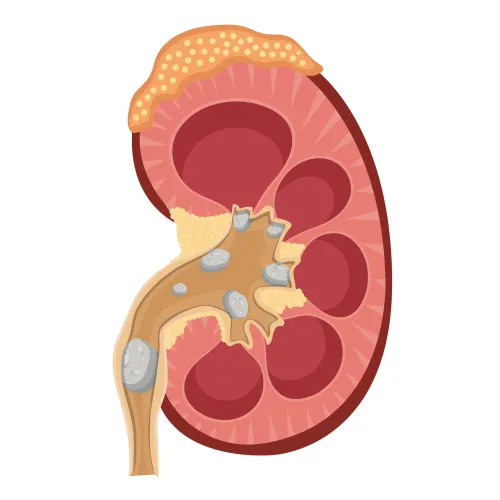
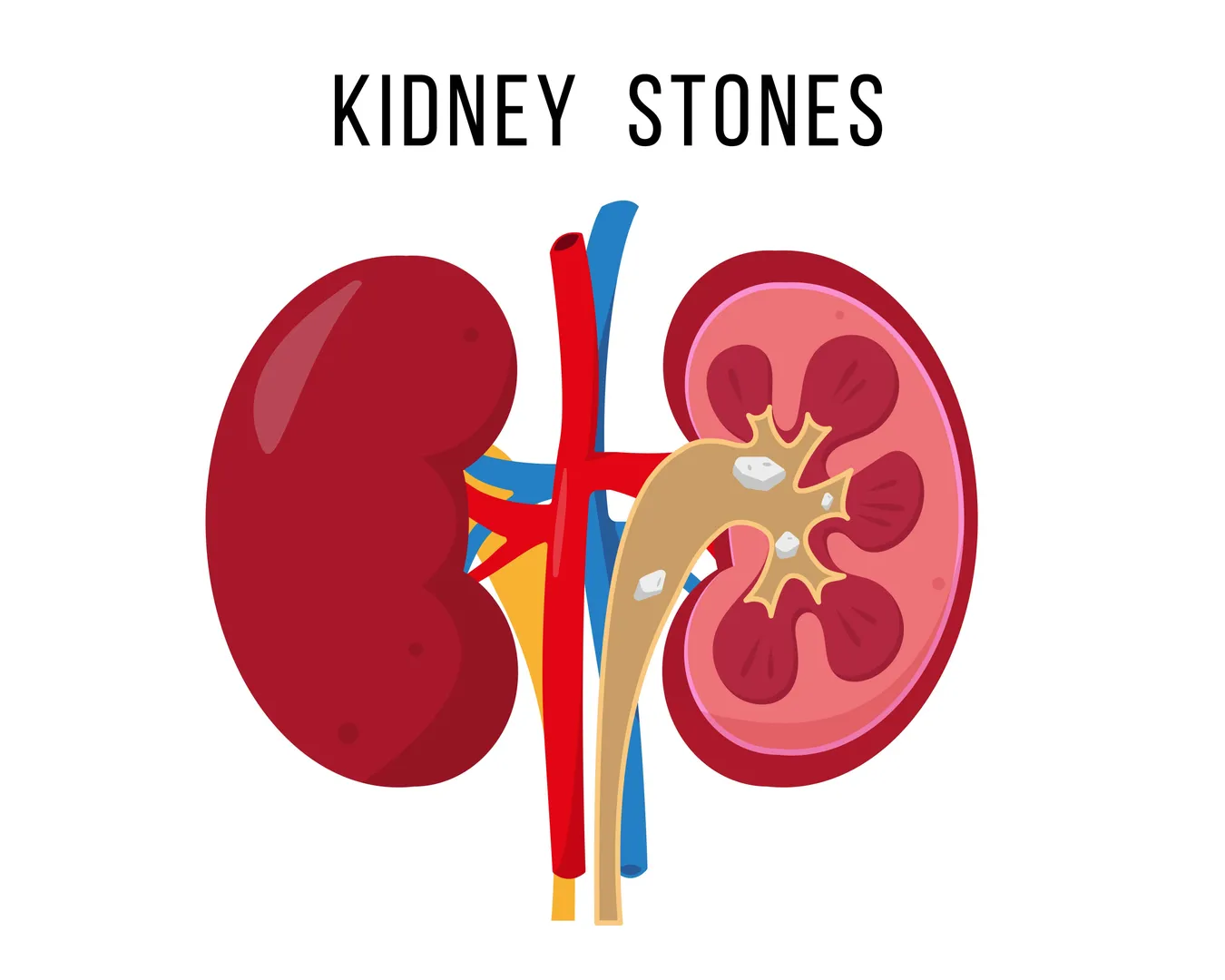
A stone can remain in the kidney or move into different portions of the ureter. Its position can affect both symptoms and the procedure used.
Imaging helps determine:
- Exact stone location
- Approximate stone dimensions
- Number of stones
- Degree of urinary obstruction
- Kidney swelling
- Relevant urinary anatomy
CT scans and ultrasound are commonly used depending on the clinical circumstances.
What Procedures May Be Considered
Modern stone management includes several approaches.
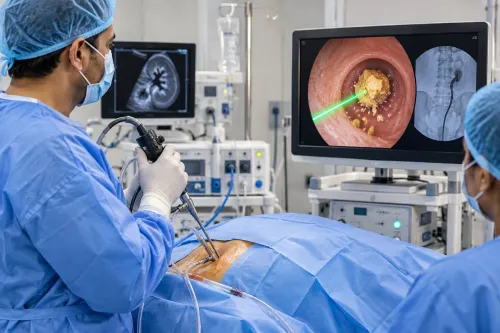
Ureteroscopy involves passing a thin instrument through the natural urinary passage to reach a ureteric or kidney stone. Laser energy may then be used to fragment the stone.
Shock-wave treatment uses externally generated energy to break suitable stones into smaller fragments that can subsequently pass through urine.
Percutaneous stone procedures may be considered for selected large or complex kidney stones and involve accessing the kidney through a small tract created through the back.
The procedure selected depends on the individual case rather than one technique being suitable for everyone.
What Recovery Can Look Like
Recovery after stone treatment varies with the procedure and the patient's condition. After an uncomplicated endoscopic treatment, many patients gradually return to routine activities within a relatively short period.
Temporary burning during urination, urinary frequency, mild blood staining, or flank discomfort can occur. A ureteric stent may be placed to maintain drainage while the urinary tract settles.
Patients should know when and how the stent will be removed because it is generally intended to remain only for the period specified by the treating doctor.
Benefits and Risks Need Balanced Discussion
The potential benefits of active stone treatment include relief of obstruction and pain, removal or fragmentation of problematic stones, and reduction of complications related to persistent blockage.
Possible risks vary by procedure and may include infection, bleeding, residual fragments, ureteric injury, stent discomfort, or need for repeat treatment.
Frequently Asked Questions
Can a kidney stone return after successful treatment?
Yes. Removing a stone does not eliminate the tendency to form future stones.
Is laser treatment suitable for every stone?
No. Suitability depends on stone characteristics, anatomy, and clinical circumstances.
Can diet reduce recurrence?
Dietary and fluid recommendations can be useful, but prevention should ideally be tailored to stone type and individual risk factors.
At Dr. Vivek Jadhav Laser Stone and Urology Clinic in Thane West, stone treatment planning begins with understanding the stone rather than automatically proceeding to intervention.
Keywords