
Kidney stone pain is often described as one of the most intense types of pain a person can experience. While some small stones may pass naturally, others can block the urinary tract, cause severe discomfort, and lead to complications if left untreated. Understanding the early warning signs can help you seek medical attention before the condition becomes more serious.
People in Thane West and across Maharashtra often dismiss the initial symptoms as back pain, muscle strain, or stomach discomfort. However, kidney stone pain usually has distinctive characteristics that make it different from ordinary aches.
What Causes Kidney Stones?
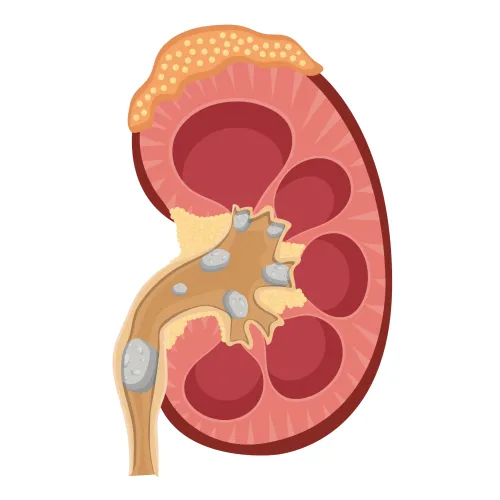
Kidney stones form when minerals and salts present in urine become concentrated and crystallize. Over time, these crystals grow into hard deposits that can remain in the kidney or travel through the urinary tract.
Several factors can increase the likelihood of developing kidney stones, including:
- Not drinking enough water
- High salt intake
- Excessive consumption of animal protein
- Family history of kidney stones
- Obesity
- Certain metabolic disorders
- Recurrent urinary tract infections
Although kidney stones can affect anyone, adults between the ages of 20 and 50 are more commonly diagnosed.
How Does Kidney Stone Pain Feel?
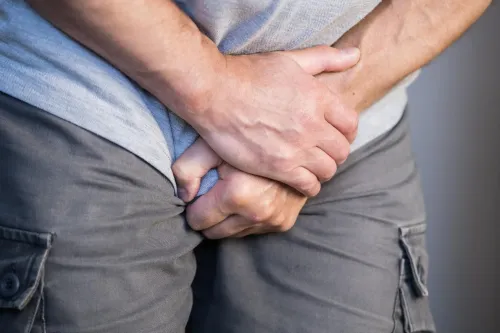
The pain caused by a kidney stone is different from ordinary back pain because it often comes in waves. As the stone moves through the urinary tract, muscles surrounding the ureter contract, producing severe discomfort.
Common characteristics include:
- Sudden, sharp pain in the lower back or side
- Pain that spreads toward the lower abdomen or groin
- Pain that changes location as the stone moves
- Episodes of severe pain followed by temporary relief
Many patients report that changing body position does not reduce the discomfort.
Early Symptoms That Should Not Be Ignored
Pain is only one indication of kidney stones. Other symptoms frequently appear as the stone begins to obstruct urine flow.
Watch for signs such as:
- Burning sensation while urinating
- Blood in the urine
- Frequent urge to urinate
- Passing only small amounts of urine
- Cloudy or foul-smelling urine
- Nausea or vomiting
- Fever and chills when infection develops
If fever accompanies kidney stone pain, prompt medical evaluation is important because infection combined with urinary blockage can become a medical emergency.
Can Kidney Stones Go Away on Their Own?
The answer depends largely on the size and location of the stone.
Very small stones often pass naturally with increased fluid intake and pain management. However, larger stones may become lodged in the urinary tract, making spontaneous passage unlikely.
Medical evaluation helps determine:
- Stone size
- Stone location
- Degree of urinary blockage
- Kidney function
- Presence of infection
This information guides the most appropriate treatment approach.
Why Delaying Treatment Can Be Risky
Ignoring persistent kidney stone pain can result in more than temporary discomfort.
Untreated stones may lead to:
- Recurrent urinary infections
- Swelling of the kidney
- Reduced kidney function
- Permanent kidney damage in severe cases
- Repeated emergency hospital visits due to uncontrolled pain
Early diagnosis often allows treatment before complications develop.
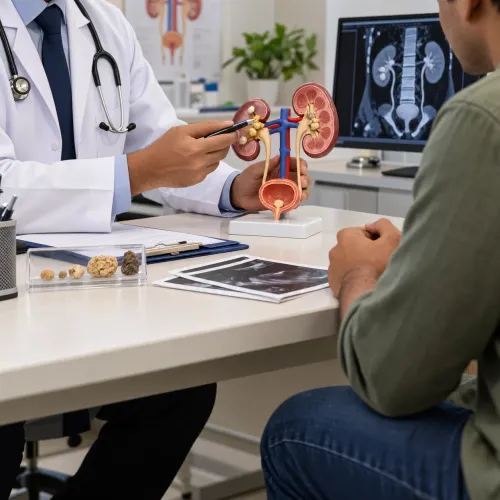
How Kidney Stones Are Diagnosed
Modern urology offers several reliable methods for confirming the presence of kidney stones.
Your doctor may recommend:
- Physical examination
- Urine analysis
- Blood investigations
- Ultrasound
- CT scan when detailed imaging is required
- X-rays in selected situations
These investigations help identify the exact size and location of the stone while ruling out other possible causes of pain.
Treatment Options Have Advanced Significantly
Many people still believe that kidney stone surgery always involves large incisions and prolonged recovery. Fortunately, modern urology has changed considerably over the past decade.
Depending on the patient's condition, treatment may include:
- Medication to help small stones pass
- Increased hydration
- Pain management
- Shock wave therapy
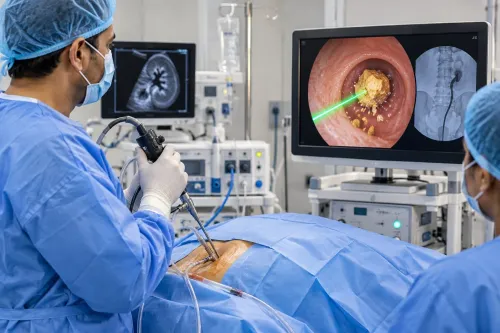
- Endoscopic stone removal
- Minimally invasive kidney stone treatment for larger or complex stones
The appropriate option depends on individual clinical findings rather than following a one-size-fits-all approach.
Lifestyle Habits That Reduce Future Risk
Even after successful treatment, kidney stones can recur. Adopting healthy habits helps lower the chances of another episode.
Simple preventive measures include:
- Drink enough water throughout the day.
- Reduce excess salt in meals.
- Maintain a balanced diet rich in fruits and vegetables.
- Avoid excessive sugary beverages.
- Stay physically active.
- Follow dietary advice based on the stone composition.
Regular follow-up may also be recommended for individuals with recurrent stone formation.
Patients searching for experienced kidney stone care in Thane West often benefit from consulting specialists who can accurately diagnose the cause of pain and recommend suitable treatment based on modern urological practices. Dr. Vivek Jadhav Laser Stone and Urology Clinic provides comprehensive evaluation, advanced diagnostic facilities, and evidence-based treatment options tailored to each patient's condition. Early assessment not only relieves pain but also helps protect long-term kidney health.
Keywords