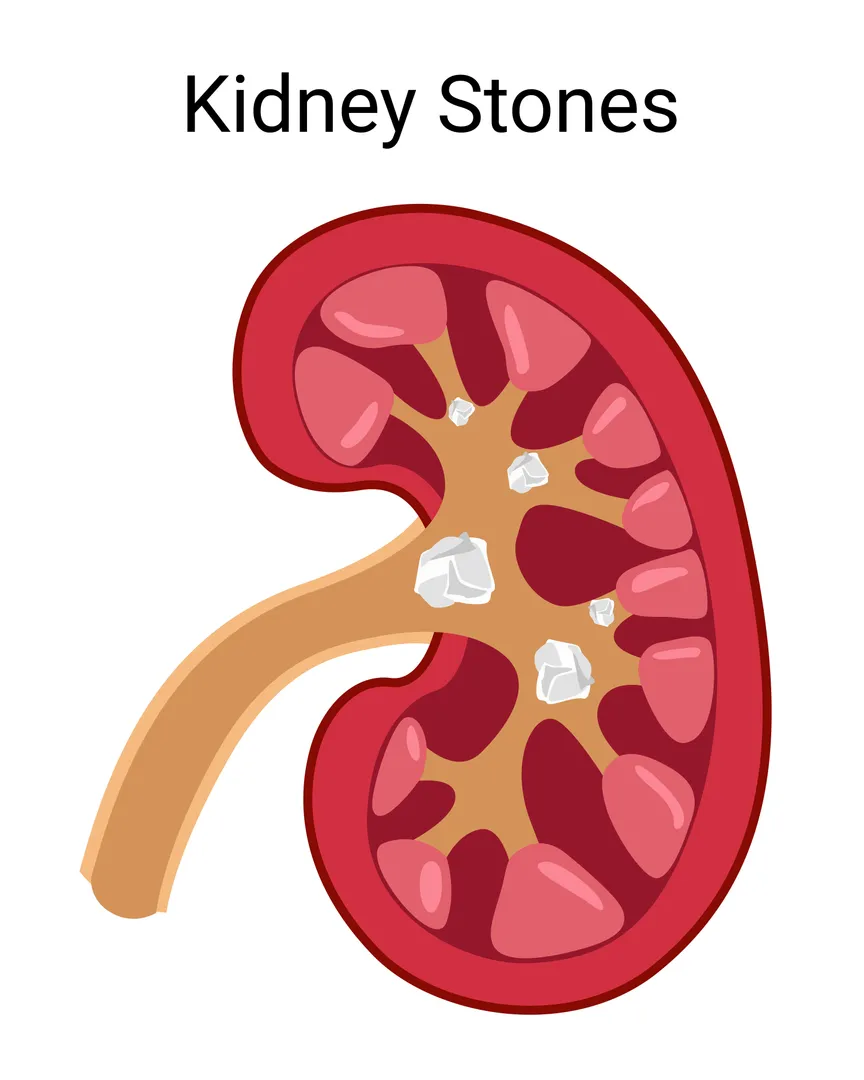
Hearing that you need kidney stone removal can naturally raise several questions. Will surgery be necessary? Is laser treatment better? How long will recovery take? The answer depends on several factors, including the size, location, and type of kidney stone.
Modern urology offers multiple treatment options that are far more advanced than they were a decade ago. Understanding these methods can help patients make informed decisions alongside their urologist.
Why Some Kidney Stones Need Removal
Not every kidney stone requires a procedure. Small stones often pass naturally with adequate hydration, medication, and pain management. However, larger stones or those causing blockage may need medical intervention.
Kidney stone removal is generally recommended when:
- The stone causes severe pain.
- Urine flow becomes blocked.
- The stone is unlikely to pass naturally.
- Repeated urinary infections develop.
- Bleeding persists.
- Kidney function begins to decline.
- Conservative treatment has failed.
Treating the stone early can help prevent long-term damage to the kidneys.
How Doctors Decide the Best Treatment
Before recommending a procedure, a urologist evaluates several important factors.
These include:
- Stone size
- Stone location
- Number of stones
- Kidney function
- Overall patient health
- Previous history of kidney stones
- Presence of infection
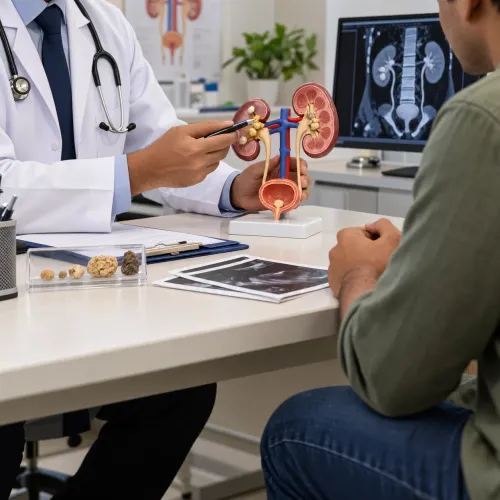
Imaging tests such as ultrasound or CT scans provide detailed information that guides treatment planning.
Common Kidney Stone Removal Techniques
Several modern procedures are available today, and each has specific advantages.
Shock Wave Lithotripsy (SWL)
High-energy sound waves are used to break the stone into smaller fragments that can pass naturally through urine.
This method is often considered for selected smaller stones.
Ureteroscopy (URS)
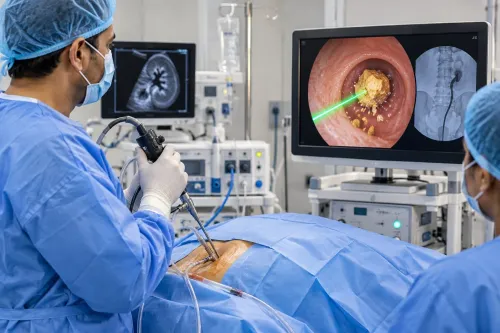
A thin endoscope is inserted through the urinary tract to locate the stone. A laser may then be used to fragment the stone before removal.
Since no external incision is required, recovery is generally quicker.
Percutaneous Nephrolithotomy (PCNL)
Large or complex kidney stones often require PCNL.
A very small incision is made in the back, allowing specialised instruments to reach the kidney and remove larger stones safely.
Laser Stone Surgery
Laser technology has become one of the most effective methods for treating many kidney stones.
The laser precisely breaks stones into tiny fragments while minimising damage to surrounding tissues.
Comparing Recovery Times
Recovery varies depending on the treatment selected.
In general:
- SWL usually allows patients to resume normal activities within a few days.
- Ureteroscopy often involves a short recovery period.
- PCNL may require a slightly longer hospital stay because it is used for larger stones.
- Laser-assisted procedures typically support faster recovery compared to traditional open surgery.
Following post-treatment instructions is important for optimal healing.
What Happens After Stone Removal?
Removing the stone is only one part of treatment. Preventing recurrence is equally important because many patients develop additional stones later in life.
Doctors may recommend:
- Stone composition analysis
- Dietary modifications
- Increased water intake
- Regular follow-up imaging
- Medication for specific metabolic conditions
- Routine kidney health monitoring
Understanding why the stone formed helps reduce the risk of future episodes.
Questions to Ask Before Choosing Treatment
During your consultation, consider discussing:
- Which procedure is most suitable for my stone?
- Will I require anaesthesia?
- How long will recovery take?
- Are there any temporary restrictions after treatment?
- What steps can prevent future stones?
Having these discussions allows patients to participate actively in treatment decisions.
Healthy Habits That Support Kidney Health
Even after successful treatment, lifestyle choices remain important.
Helpful habits include:
- Drinking sufficient water every day
- Reducing excess salt intake
- Eating a balanced diet
- Staying physically active
- Managing obesity and diabetes
- Attending periodic health check-ups if advised
Preventive care often reduces the likelihood of repeated stone formation.
Patients seeking advanced kidney stone removal in Thane West can benefit from modern treatment techniques tailored to their specific condition. Dr. Vivek Jadhav Laser Stone and Urology Clinic provides comprehensive diagnostic evaluation and recommends the most appropriate treatment based on current urological guidelines. Early intervention combined with preventive care helps protect kidney function and supports long-term urinary health.
Keywords