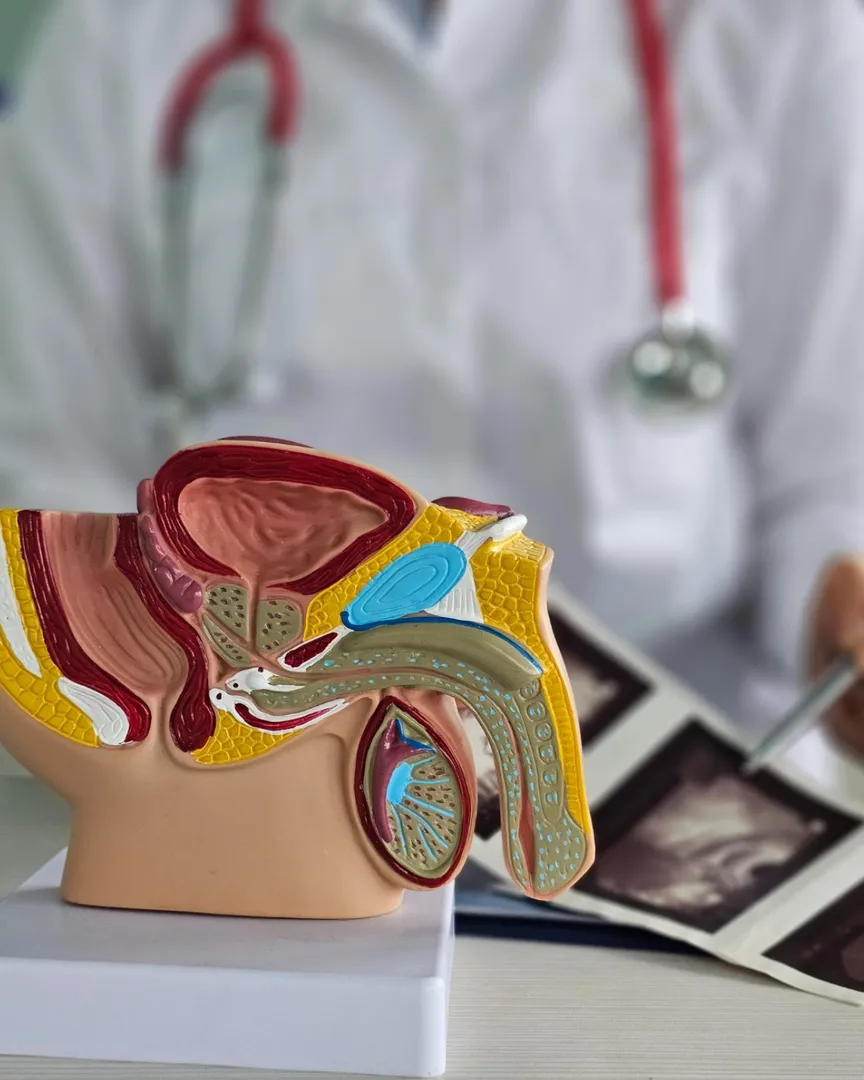
Not every man with an enlarged prostate needs immediate procedural treatment. Mild urinary changes can sometimes remain stable and may be managed through monitoring, lifestyle adjustments, or medication.
There are situations, however, when prostate treatment needs to be reconsidered because symptoms are progressing, complications are developing, or existing management is no longer providing adequate control.
Symptoms Are Affecting Everyday Life
The impact of prostate symptoms matters alongside test results.
Frequent night-time urination can repeatedly interrupt sleep. Urgency can make travel difficult. A weak stream and prolonged urination may become increasingly inconvenient.
When symptoms significantly affect daily routines, discussing additional management options with a urologist is reasonable.
Medicines Are Not Providing Enough Relief
Medicines can help many men with benign prostate enlargement, but response differs between patients.
Some experience persistent symptoms despite treatment. Others may develop side effects or have clinical findings that make a procedural option worth discussing.
Medication should not be stopped or changed without appropriate medical advice. Instead, persistent symptoms provide a reason to reassess the diagnosis, bladder emptying, prostate findings, and available treatment choices.
Urinary Retention Has Occurred
Acute urinary retention means being unable to pass urine despite having a full bladder.
It can be painful and generally requires prompt medical care. A catheter may initially be needed to drain the bladder.
After the immediate problem is managed, further assessment helps determine why retention occurred and whether longer-term prostate treatment is appropriate.
Repeated Infection Can Signal Obstruction
An enlarged prostate can interfere with complete bladder emptying in some men. Residual urine may contribute to urinary complications, including repeated infections in selected patients.
Recurrent infection therefore warrants investigation rather than repeated medication alone.
Bladder Stones Can Develop
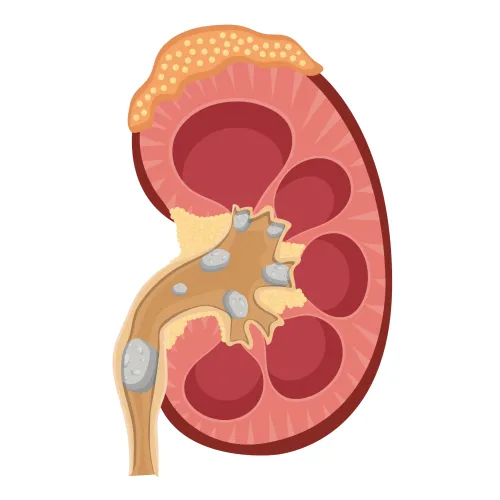
Incomplete emptying can contribute to bladder stone formation.
Bladder stones may cause pain, urinary frequency, interruption of urine flow, infection, or blood in urine.
When stones occur alongside prostate obstruction, treatment planning may need to address both problems.
Kidney Function and Bladder Health Matter
Long-standing significant obstruction can affect the urinary system beyond the prostate.
Ultrasound, kidney function tests, urinary flow assessment, and measurement of residual urine can help determine the effect of obstruction.
This information may influence whether continued observation remains appropriate.
Procedural Options Depend on Individual Findings
Modern prostate procedures include several techniques. The appropriate choice depends on prostate size, anatomy, symptom severity, bladder function, medical history, medications, and other clinical factors.
Patients should ask why a particular procedure is recommended, what recovery involves, and what realistic improvements can be expected.
Men can consult Dr. Vivek Jadhav Laser Stone and Urology Clinic in Thane West for evaluation of persistent prostate-related urinary symptoms and discussion of management options.
Many men live with urinary symptoms for years because they assume treatment is only needed when symptoms become extreme. A better approach is to monitor changes and reassess treatment when quality of life declines, medicines become insufficient, retention develops, infections recur, or tests indicate complications.
Keywords