Burning urination and urinary frequency are often associated with a urinary tract infection, but repeated episodes deserve a closer look. Urinary infection treatment should address the current infection while also considering why infections are recurring, particularly when there are stones, urinary obstruction, prostate problems, or difficulty emptying the bladder.
For patients in Thane West, Maharashtra, recurrent urinary symptoms should not automatically lead to repeated self-medication without confirming the cause.
First Confirm What Is Causing the Symptoms
Burning, frequency, urgency, lower abdominal discomfort, cloudy urine, and occasionally blood in the urine can occur with urinary infection. However, stones and other urinary conditions can sometimes produce similar symptoms.
Urine testing may help determine whether infection is present. A urine culture may be useful in selected cases to identify the organism and guide antibiotic selection.
This becomes particularly relevant when infections recur or previous treatment has not worked as expected.
Why Some Infections Keep Returning
Repeated infections can sometimes be associated with an underlying urological problem.
Possible contributing factors include:
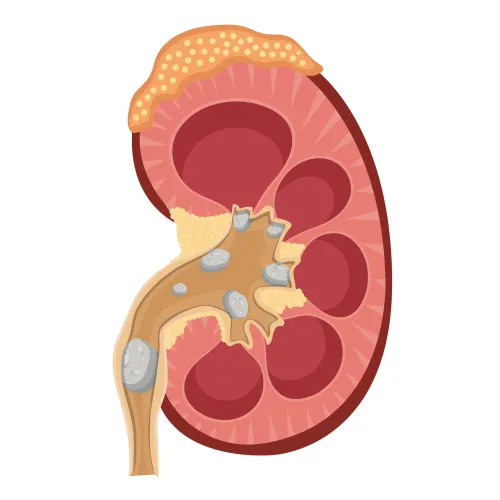
- Urinary stones
- Incomplete bladder emptying
- Enlarged prostate
- Urinary tract obstruction
- Structural abnormalities
- Catheter use
- Certain medical conditions
Finding a contributing factor can change treatment from repeatedly managing symptoms to addressing the underlying problem.
Comparing Simple Infection Care With Urological Evaluation
An uncomplicated lower urinary infection may often respond to appropriately selected medical treatment. Recurrent infections, infections in men, suspected kidney involvement, obstruction, or unusual symptoms may require a broader assessment.
Depending on the situation, a urology doctor may recommend ultrasound, blood tests, assessment of bladder emptying, CT imaging, cystoscopy, or another investigation.
Not every recurrent infection requires an invasive test. The investigation should match the patient's history and risk factors.
Recovery and Symptom Improvement
Some urinary symptoms begin improving after effective treatment, but patients should complete prescribed medication as directed rather than stopping simply because burning has reduced.
Persistent fever, flank pain, vomiting, worsening weakness, inability to pass urine, or deteriorating symptoms can indicate a more significant problem and should be evaluated promptly.
When a stone or obstruction is contributing to infection, recovery may depend on restoring urinary drainage in addition to treating the infection itself.
Benefits and Risks of Appropriate Treatment
Correctly targeted treatment can clear infection, relieve symptoms, and reduce the risk of infection spreading to the kidneys or bloodstream.
Antibiotics also have limitations and potential adverse effects. Unnecessary or inappropriate antibiotic use can contribute to resistance and may not treat non-infectious causes of urinary symptoms. This is one reason repeated episodes benefit from proper assessment.
Frequently Asked Questions
Can urinary infections occur in men?
Yes. Urinary infection in men often warrants careful assessment because contributing urinary or prostate factors may be present.
Can kidney stones cause repeated infections?
Some stones can contribute to urinary obstruction or provide conditions that make recurrent infection more likely.
Is blood in urine normal during a UTI?
It can occur, but visible blood should not simply be assumed to be caused by infection without appropriate evaluation.
Dr. Vivek Jadhav Laser Stone and Urology Clinic in Thane West evaluates recurrent urinary infections in the context of the entire urinary system, particularly when symptoms repeatedly return despite previous treatment.
Keywords