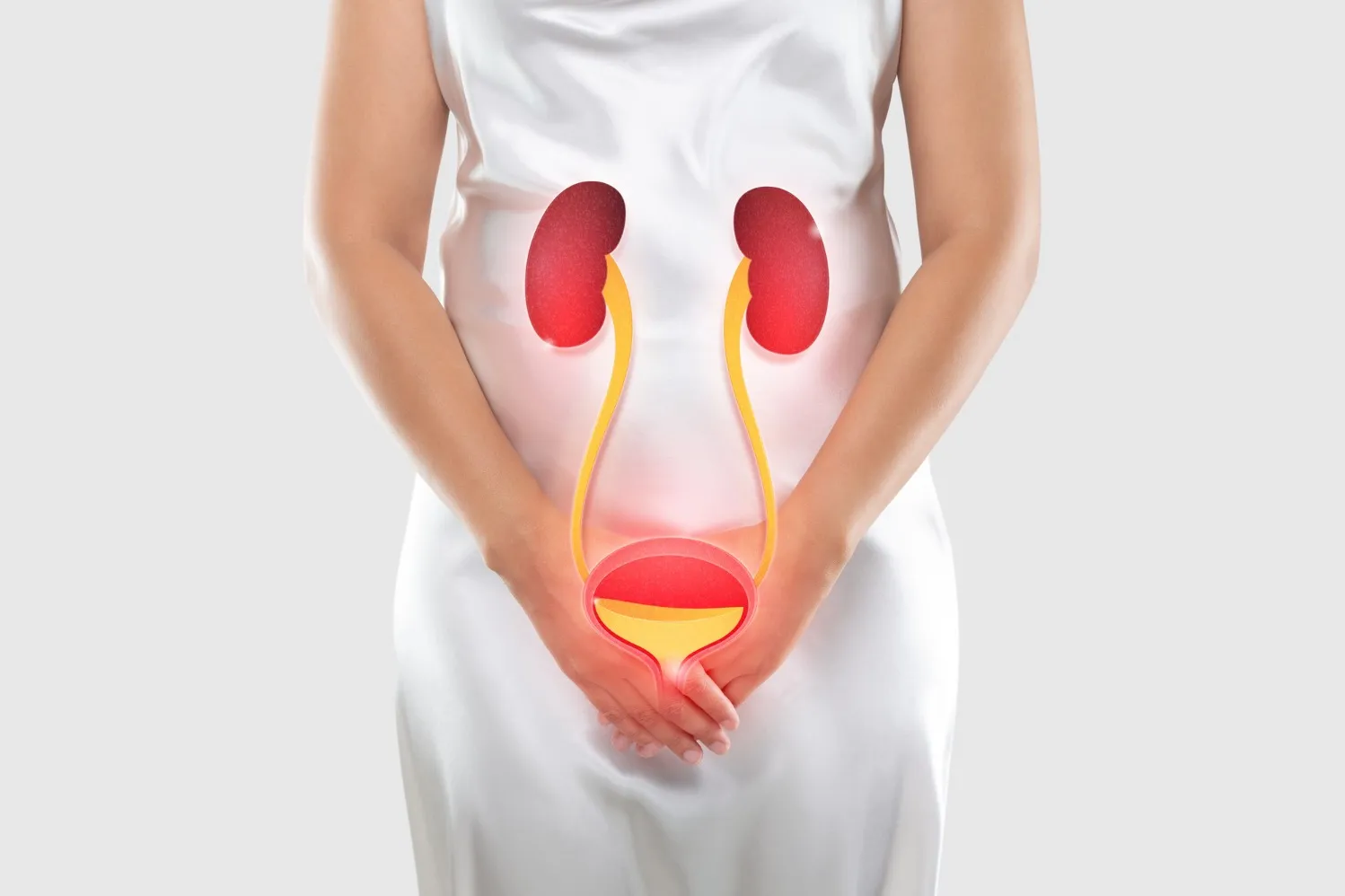
Urinary leakage can be embarrassing and disruptive, but treating every case in the same way is unlikely to address the underlying problem. Leakage during coughing has a different mechanism from leakage caused by an uncontrollable urge to urinate.
Choosing the right treatment for urine leakage therefore starts by identifying the type of incontinence and the factors contributing to it.
Stress Leakage Has Recognisable Triggers
Stress urinary incontinence occurs when urine leaks during activities that increase abdominal pressure.
Typical triggers include:
- Coughing
- Sneezing
- Laughing
- Exercise
- Lifting
- Changing position in some cases
It is commonly discussed in women, particularly after pregnancy and childbirth, but men can also experience stress leakage, including after certain prostate procedures.
Urgency Leakage Feels Different
Urgency urinary incontinence involves a sudden compelling need to urinate followed by leakage before reaching a toilet.
People may also experience frequent urination and repeated night-time bathroom visits.
Bladder diary information can be useful because it shows how frequently someone urinates, when leakage occurs, and what situations trigger symptoms.
Some Patients Have Mixed Symptoms
Stress and urgency leakage can occur together.
This is known as mixed urinary incontinence. Identifying which component causes the greatest difficulty can help guide the initial management plan.
Other forms of leakage may be associated with incomplete bladder emptying, neurological problems, mobility limitations, urinary obstruction, or functional difficulties.
Evaluation Helps Identify the Mechanism
A urological assessment may include discussion of urinary habits, childbirth history when relevant, previous pelvic or prostate surgery, medications, neurological conditions, and existing illnesses.
Depending on the symptoms, evaluation can involve urine testing, physical examination, bladder scanning, ultrasound, urinary flow measurement, or specialised bladder function testing.
Not every patient requires extensive testing.
Conservative Measures May Be Appropriate
Treatment can begin with non-surgical measures in many cases.
Depending on the type of leakage, management may include:
- Pelvic floor muscle training
- Bladder training
- Scheduled urination
- Review of fluid habits
- Reduction of excessive caffeine
- Management of constipation
- Weight management where clinically relevant
Technique matters with pelvic floor exercises, so correct identification and training of the muscles can be important.
Medication and Procedures Have Specific Roles
Medicines may be considered for certain bladder storage symptoms, including urgency-related problems, after clinical assessment.
Selected patients with persistent stress incontinence or other defined conditions may be candidates for procedural treatment. The choice depends on the cause, severity, previous treatment, overall health, and individual expectations.
This makes diagnosis particularly important before moving toward intervention.
Dr. Vivek Jadhav Laser Stone and Urology Clinic in Thane West provides urological assessment for men and women experiencing urinary leakage and other bladder symptoms.
Urinary leakage should not automatically be accepted as a normal consequence of ageing, childbirth, or previous treatment. Identifying whether leakage is stress-related, urgency-related, mixed, or associated with another urinary condition provides a clearer path toward appropriate management and realistic treatment planning.
Keywords