Urinary symptoms can look deceptively similar. Burning, frequent urination, urgency, weak flow, blood in urine, and lower abdominal discomfort can each arise from more than one condition.
That is why selecting treatment for urinary diseases should begin with diagnosis rather than choosing medicines based only on symptoms.
For patients in Thane West, knowing what happens during a urological assessment can make it easier to prepare for consultation.
Different Conditions Can Produce Similar Symptoms
Burning during urination may suggest an infection, but stones and other urinary problems can also cause irritation.
Frequent urination can be associated with infection, bladder dysfunction, prostate enlargement, increased fluid intake, and several medical conditions.
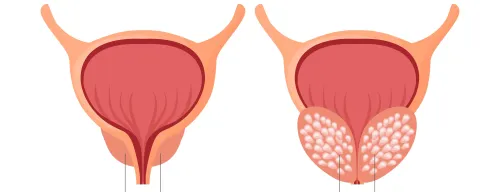
Weak urinary flow in men may be linked with prostate enlargement, but urethral narrowing and bladder function can also play a role.
Visible blood in urine has an even broader range of possible causes and should be evaluated appropriately.
The Medical History Narrows the Possibilities
A detailed description of symptoms provides important diagnostic clues.
A urologist may ask when the problem started, whether symptoms are continuous or intermittent, how often urination occurs, whether there is pain, and whether blood has been noticed.
Previous stones, urinary infections, surgeries, medicines, existing illnesses, and family history may also be relevant.
Tests Are Selected According to Symptoms
Not every patient requires every available urological test.
Depending on the clinical problem, investigations can include:
- Urine examination
- Urine culture
- Blood tests
- Ultrasound
- CT imaging
- Urinary flow testing
- Post-void residual measurement
- PSA testing in appropriate men
- Endoscopic bladder examination in selected cases
The purpose is to answer a specific clinical question rather than order investigations without a clear reason.
Treatment Should Match the Cause
An infection caused by susceptible bacteria may require appropriate antimicrobial treatment.
A kidney stone may be observed, medically managed, or treated through a procedure depending on its characteristics.
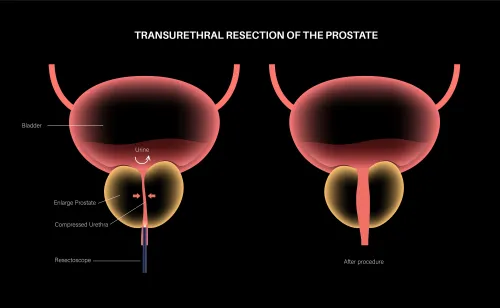
Prostate enlargement may require monitoring, medicines, or procedural management.
Urinary leakage can require bladder training, pelvic floor measures, medication, or other treatment depending on its type and underlying cause.
This is why two people describing 'urinary trouble' can receive completely different treatment plans.
Know Which Symptoms Need Faster Assessment
Some urinary problems should receive timely attention.
These include:
- Inability to pass urine
- Severe flank pain with fever
- Significant urinary bleeding
- Persistent vomiting with suspected stones
- Rapidly worsening symptoms
- Reduced urine output in a concerning clinical setting
These symptoms may indicate obstruction, infection, bleeding, or another problem requiring prompt evaluation.
Dr. Vivek Jadhav Laser Stone and Urology Clinic in Thane West evaluates patients with urinary symptoms using clinical history and investigations suited to the suspected condition.
People can also benefit from bringing previous reports and treatment records to avoid unnecessary repetition and provide a clearer clinical history.
The most effective starting point for urinary disease management is identifying the condition behind the symptom. Once that diagnosis is established, treatment can be selected according to clinical evidence, symptom severity, investigation results, and the patient's individual health circumstances.
Keywords