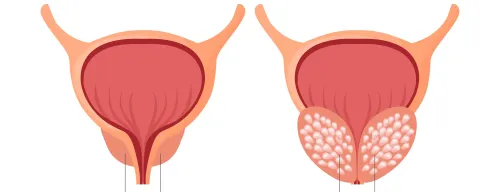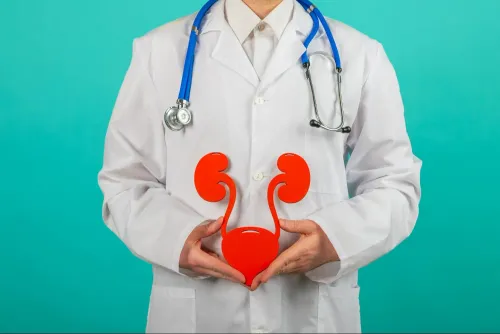
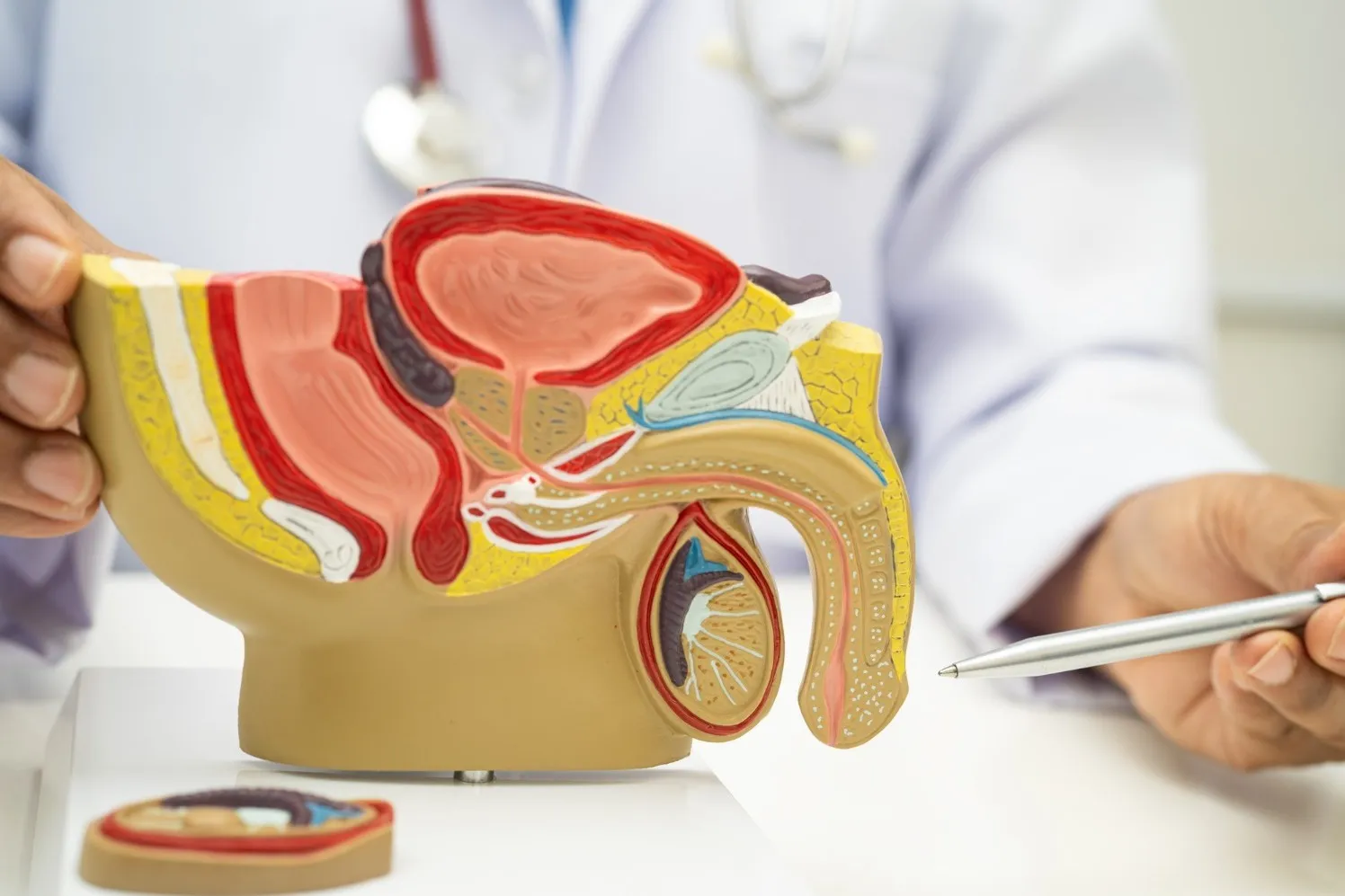
Prostate enlargement is common with increasing age, but the degree of enlargement does not always match the severity of urinary symptoms. Prostate treatment therefore needs to consider how the condition is affecting urination, bladder emptying, sleep, daily activities, and urinary tract health.
Men in Thane West, Maharashtra, experiencing a weaker urine stream, repeated nighttime urination, urgency, or difficulty emptying the bladder can benefit from an evaluation that identifies the underlying cause.
Recognizing Common Prostate Related Symptoms
Benign enlargement of the prostate can narrow the urinary passage. Symptoms may include:
- Difficulty starting urine flow
- Weak stream
- Stopping and starting during urination
- Straining
- Feeling that the bladder has not emptied
- Frequent urination
- Sudden urinary urgency
- Repeated nighttime urination
These symptoms are not specific to prostate enlargement, which is why assessment is important.
How Prostate Problems Are Evaluated
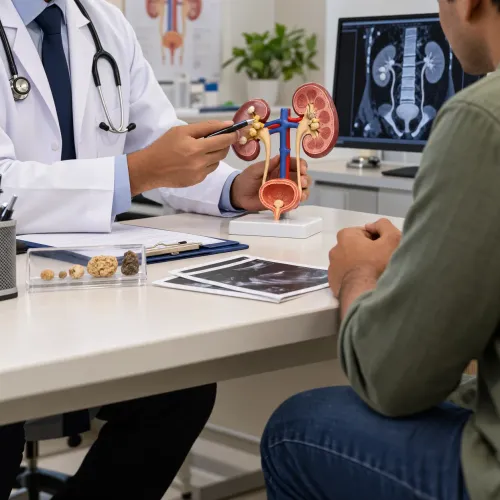
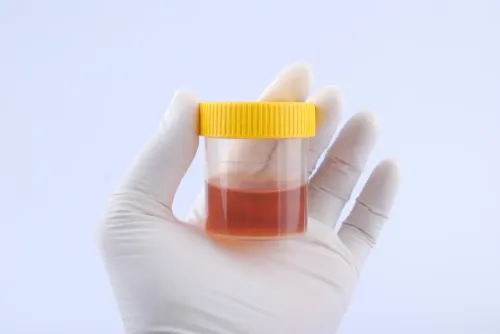
A urological evaluation may include a symptom history, physical examination, urine testing, kidney function assessment, ultrasound, urine flow measurement, and assessment of urine remaining in the bladder after urination.
Depending on age and clinical circumstances, additional prostate investigations may be discussed.
The purpose is not simply to measure prostate size. It is to determine whether the prostate is contributing to meaningful urinary obstruction and whether complications are developing.
Treatment Can Range From Monitoring to Procedures
Mild symptoms that have little impact on daily life may sometimes be monitored. Lifestyle adjustments can also help selected patients.
Medication may be prescribed to improve urine flow, reduce prostate-related obstruction, or influence prostate size depending on the individual situation.
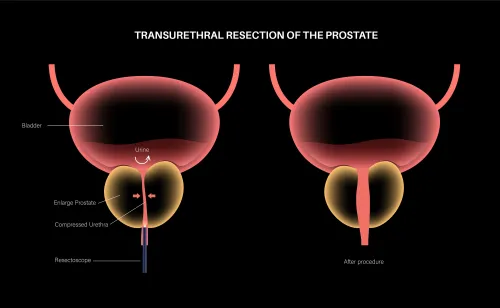
When medicines do not provide adequate relief, symptoms are severe, or complications develop, a procedure may be considered. TURP is one established surgical approach for relieving obstruction caused by benign prostate enlargement, while other techniques may also be suitable in selected cases.
Recovery After a Prostate Procedure
Recovery depends on the procedure performed. After endoscopic prostate surgery, a urinary catheter may temporarily remain in place while the urinary tract recovers.
Temporary burning, urinary frequency, urgency, or blood staining can occur during healing. Patients receive instructions regarding fluids, physical activity, medications, and when they can resume routine work.
Recovery is individual, so fixed timelines should not replace the treating doctor's advice.
Benefits and Potential Risks
Appropriate treatment can improve urinary flow, bladder emptying, sleep disrupted by repeated urination, and quality of life.
Procedural risks may include bleeding, infection, temporary difficulty urinating, urinary symptoms during recovery, changes in ejaculation, and, less commonly, other urinary or sexual complications. Risks depend on the treatment chosen and individual health factors.
Frequently Asked Questions
Does an enlarged prostate mean prostate cancer?
No. Benign prostate enlargement and prostate cancer are different conditions, although both involve the prostate and may require evaluation.
Does every enlarged prostate require treatment?
No. Treatment depends on symptoms, complications, and assessment findings.
When should urinary retention be assessed urgently?
A sudden inability to pass urine requires prompt medical attention.
A structured prostate assessment at Dr. Vivek Jadhav Laser Stone and Urology Clinic in Thane West can help determine whether monitoring, medication, or a procedure is appropriate.
Keywords