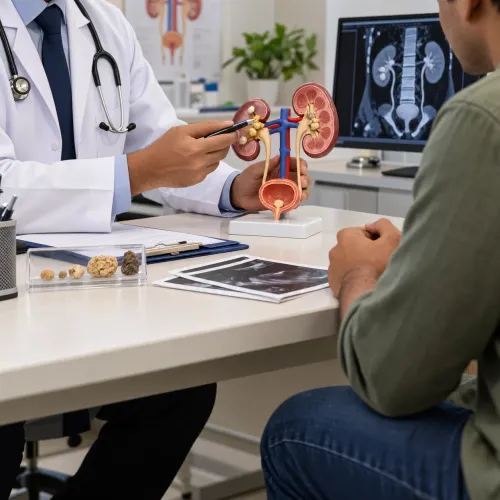
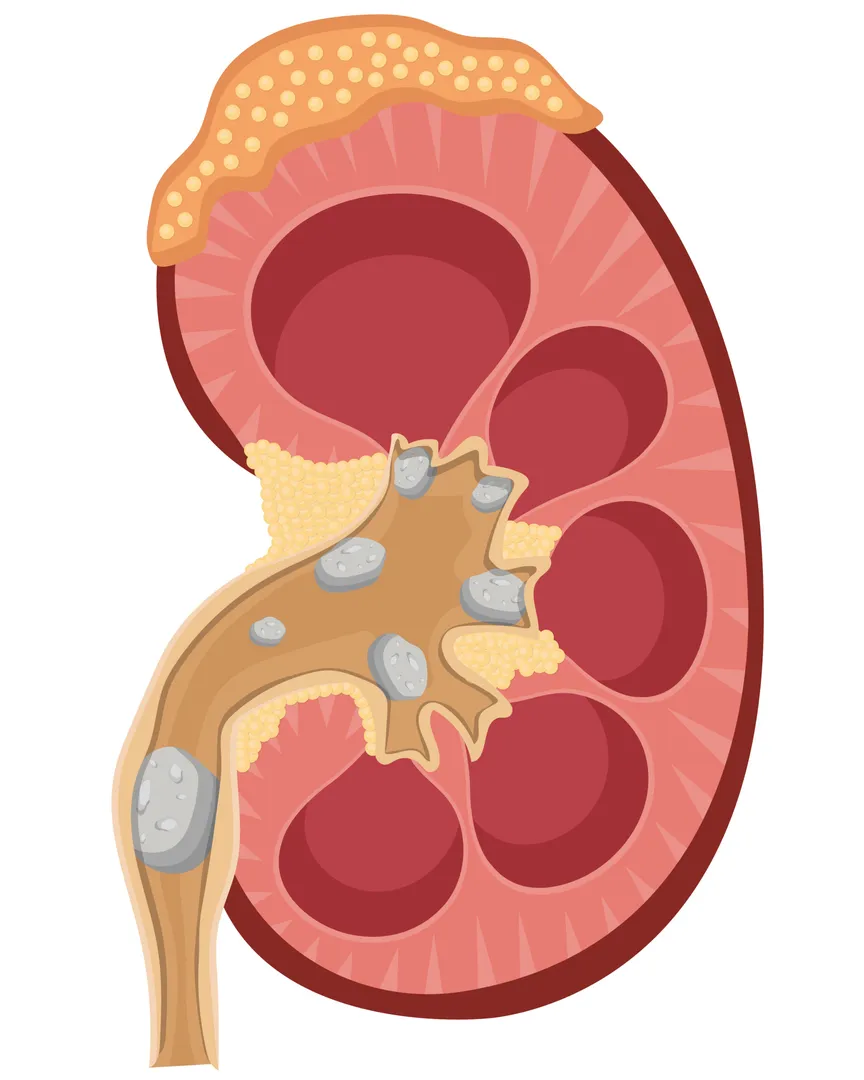
A kidney stone diagnosis often raises concerns about surgery, hospital stays, and a lengthy recovery. However, advances in urology have transformed the way kidney stones are treated. Today, many patients can benefit from minimally invasive kidney stone treatment, which is designed to remove stones with less discomfort, smaller or no incisions, and a faster return to daily life.
Understanding when these procedures are recommended can help patients make informed decisions about their treatment options.
Why Kidney Stones Sometimes Need More Than Medication
Small kidney stones may pass naturally with hydration, pain management, and medication. However, not every stone can be treated conservatively.
Medical intervention is usually considered when:
- The stone is too large to pass naturally.
- Pain becomes severe or recurrent.
- The stone blocks urine flow.
- Repeated urinary tract infections occur.
- Kidney function is affected.
- Conservative treatment has not been successful.
Delaying treatment in these situations may increase the risk of kidney damage or persistent urinary complications.
What Does Minimally Invasive Treatment Mean?
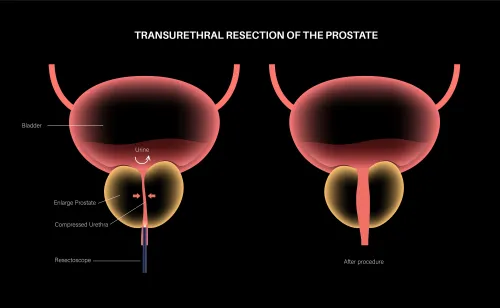
Unlike traditional open surgery, minimally invasive procedures use advanced instruments and imaging technology to access and remove kidney stones through natural urinary passages or very small incisions.
The goal is to:
- Reduce tissue damage
- Minimise postoperative pain
- Shorten hospital stay
- Promote quicker recovery
- Lower the risk of complications
The most suitable procedure depends on the stone's size, location, and composition.
Common Minimally Invasive Procedures
Modern urologists may recommend one of several treatment methods.
Ureteroscopy (URS)
A thin scope is passed through the urinary tract to locate the stone. Laser energy is often used to break it into smaller fragments that can be removed safely.
Percutaneous Nephrolithotomy (PCNL)
For larger or more complex stones, a tiny incision is made in the back to access the kidney directly and remove the stone efficiently.
Laser Stone Surgery
Laser technology allows precise fragmentation of stones while protecting surrounding tissues, making it one of the preferred options for many patients.
The choice of procedure is based on careful evaluation rather than a one-size-fits-all approach.
Advantages Compared to Traditional Surgery
Patients often prefer minimally invasive techniques because they offer several practical benefits.
These may include:
- Smaller or no external incisions
- Less postoperative discomfort
- Reduced blood loss
- Shorter hospitalisation
- Faster return to work and daily activities
- Lower risk of wound-related complications
Individual recovery, however, varies according to the patient's overall health and the complexity of the procedure.
Are You a Suitable Candidate?
Not every kidney stone requires surgery, and not every patient is suited for the same procedure.
Factors considered include:
- Stone size
- Number of stones
- Stone location
- Kidney function
- Presence of infection
- Previous stone history
- General health condition
A detailed consultation and imaging studies help determine the most appropriate treatment plan.
Recovery After Treatment
Recovery following minimally invasive kidney stone treatment is generally quicker than traditional surgery.
Patients are commonly advised to:
- Drink adequate fluids
- Take prescribed medications
- Avoid strenuous physical activity for a short period
- Attend scheduled follow-up visits
- Watch for fever, persistent pain, or difficulty passing urine
Most individuals gradually return to normal routines as advised by their treating specialist.
Preventing Future Kidney Stones
Removing an existing stone is only part of long-term kidney health. Preventing recurrence is equally important.
Doctors often recommend:
- Drinking 2–3 litres of water daily
- Limiting excess salt intake
- Reducing foods that increase stone formation when appropriate
- Maintaining a healthy body weight
- Following dietary advice based on stone analysis
- Undergoing periodic follow-up if stones recur frequently
Understanding the cause of stone formation helps reduce the chances of future episodes.
Patients in Thane West seeking advanced kidney stone care often benefit from consulting specialists experienced in modern treatment techniques. Dr. Vivek Jadhav Laser Stone and Urology Clinic offers comprehensive evaluation and personalized minimally invasive kidney stone treatment based on each patient's condition. Selecting the right procedure at the right time can provide effective stone removal while supporting a smooth recovery and better long-term kidney health.
Keywords