The prostate is a small gland that plays an important role in the male reproductive system. As men grow older, this gland often enlarges naturally, leading to urinary problems that can affect daily life. Frequent trips to the bathroom, interrupted sleep, difficulty passing urine, and a weak urine stream are common complaints that should not be ignored.
Fortunately, modern prostate treatment has evolved significantly, offering safe and effective solutions that improve quality of life while minimizing recovery time.
Why Does the Prostate Become Enlarged?
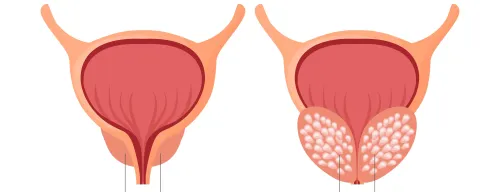
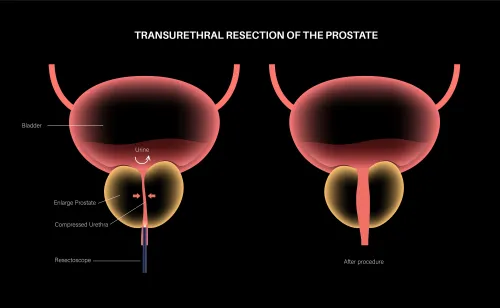
One of the most common prostate conditions is Benign Prostatic Hypertrophy (BPH), also known as benign enlargement of the prostate. It is not cancer, but the enlarged gland can press against the urethra and restrict the normal flow of urine.
Factors that increase the likelihood of BPH include:
- Advancing age
- Family history
- Hormonal changes
- Obesity
- Diabetes
- Lack of physical activity
While BPH is more common after the age of 50, symptoms can begin earlier in some men.
Common Symptoms of an Enlarged Prostate
The severity of symptoms varies from person to person. Some men experience only mild discomfort, while others find their daily routine significantly affected.
Typical symptoms include:
- Frequent urination during the day
- Waking up multiple times at night to urinate
- Difficulty starting urination
- Weak urine stream
- Feeling that the bladder has not emptied completely
- Sudden urgency to urinate
- Dribbling after urination
Persistent symptoms should be evaluated by a urologist because similar complaints may also occur due to bladder disorders, urinary infections, or other medical conditions.
When Is Medical Attention Necessary?
Many men assume urinary changes are simply part of ageing. While age is a contributing factor, ongoing urinary symptoms deserve proper medical assessment.
Seek medical advice if you experience:
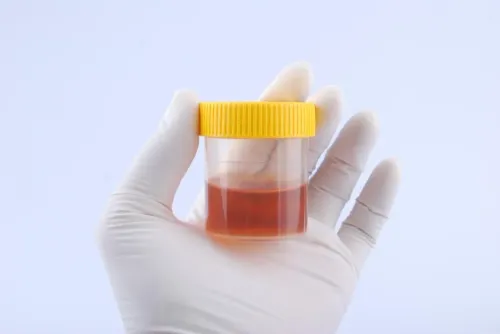
- Blood in the urine
- Pain while urinating
- Repeated urinary tract infections
- Sudden inability to pass urine
- Persistent lower abdominal discomfort
- Frequent interruption of sleep due to urination
Early diagnosis often helps prevent complications such as bladder damage or kidney problems.
How Is an Enlarged Prostate Diagnosed?
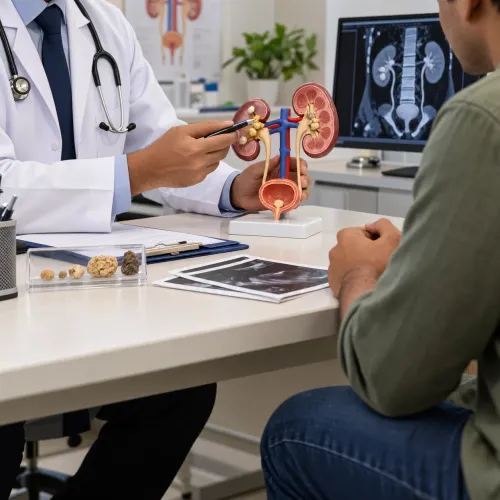
A urologist will recommend investigations based on your symptoms and medical history.
These may include:
- Physical examination
- Urine analysis
- Blood tests, including PSA when appropriate
- Ultrasound
- Uroflowmetry to assess urine flow
- Measurement of residual urine after urination
- Additional imaging if required
These tests help determine the size of the prostate and identify the most suitable treatment plan.
Treatment Depends on the Severity of Symptoms
Not every enlarged prostate requires surgery. Treatment is selected according to symptom severity, prostate size, overall health, and the impact on daily activities.
Options may include:
Lifestyle Changes
For mild symptoms, doctors may recommend:
- Reducing caffeine and alcohol intake
- Limiting fluids before bedtime
- Maintaining a healthy weight
- Regular physical activity
- Bladder training exercises
Medication
Medicines can help relax prostate muscles or reduce prostate enlargement over time, improving urine flow and reducing symptoms.
Surgical Treatment
If medications no longer provide relief or urinary obstruction becomes significant, surgery may be recommended.
Modern surgical procedures are designed to restore normal urine flow while minimizing discomfort and recovery time.
Understanding TURP
One of the most established procedures for treating significant prostate enlargement is TURP (Transurethral Resection of the Prostate).
During this procedure:
- No external incision is required.
- A specialised instrument is inserted through the urethra.
- Excess prostate tissue causing blockage is removed.
- Normal urine flow is restored.
TURP has been performed successfully for many years and continues to be an effective treatment for suitable patients.
Recovery After Prostate Treatment
Recovery varies depending on the type of treatment received.
Most patients are advised to:
- Drink adequate fluids
- Avoid heavy lifting for a few weeks
- Follow prescribed medications
- Attend follow-up appointments
- Report fever, heavy bleeding, or inability to urinate immediately
Many patients notice gradual improvement in urinary symptoms as healing progresses.
Can an Enlarged Prostate Be Prevented?
Although ageing cannot be prevented, healthy habits may help support prostate health.
Helpful measures include:
- Staying physically active
- Maintaining a balanced diet
- Drinking sufficient water
- Managing diabetes and blood pressure
- Avoiding smoking
- Scheduling regular health check-ups after the age of 50
These habits contribute to overall urinary health and may reduce the risk of complications.
Men experiencing persistent urinary symptoms in Thane West should not assume they are a normal part of ageing. A comprehensive evaluation can identify the exact cause and guide appropriate treatment. Dr. Vivek Jadhav Laser Stone and Urology Clinic offers advanced diagnosis and evidence-based prostate treatment, including modern procedures such as TURP when clinically indicated. Seeking timely care can significantly improve urinary comfort and long-term quality of life.
Keywords