
A urinary tract infection (UTI) is one of the most common health conditions affecting people of all ages. While women are more likely to experience UTIs, men, older adults, and individuals with certain medical conditions can also develop urinary infections. Ignoring the symptoms or relying on repeated self-medication may allow the infection to spread and cause more serious health problems.
Understanding why urinary infections occur and how they should be treated is the first step toward protecting your urinary health.
What Is a Urinary Tract Infection?
A urinary tract infection develops when bacteria enter the urinary system and multiply. The infection may affect:
- The urethra
- The bladder
- The ureters
- The kidneys
Bladder infections are the most common, but if bacteria reach the kidneys, the condition becomes more serious and requires prompt medical care.
Common Symptoms of a Urinary Infection
Symptoms often appear suddenly and may vary depending on the part of the urinary tract affected.
Typical signs include:
- Burning sensation while urinating
- Frequent urge to urinate
- Passing only small amounts of urine
- Cloudy urine
- Strong-smelling urine
- Blood in the urine
- Lower abdominal discomfort
- Fever and chills in more severe infections
Kidney infections may also cause pain in the back or side, nausea, and vomiting.
Why Do UTIs Keep Coming Back?
Recurrent urinary infections are often a sign that an underlying issue has not been identified.
Possible causes include:
- Kidney stones
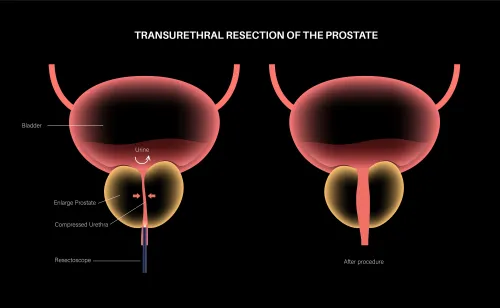
- Enlarged prostate in men
- Poor bladder emptying
- Diabetes
- Urinary tract abnormalities
- Long-term catheter use
- Reduced immunity
Simply taking antibiotics repeatedly without proper evaluation may not solve the underlying problem.
How Is a Urinary Infection Diagnosed?
Accurate diagnosis helps ensure the infection is treated effectively.
A urologist may recommend:
- Urine routine examination
- Urine culture and sensitivity
- Blood tests
- Ultrasound of the kidneys and bladder
- CT scan when necessary
- Additional investigations for recurrent infections
These tests help identify the bacteria responsible and detect any structural abnormalities contributing to repeated infections.
Why Completing Treatment Is Important
Many patients stop taking antibiotics once they begin to feel better. This can allow bacteria to survive and increase the likelihood of recurrence.
Completing the prescribed course helps:
- Eliminate the infection completely
- Reduce recurrence
- Prevent antibiotic resistance
- Protect kidney function
Follow-up testing may also be recommended in certain cases.
Can Lifestyle Habits Reduce the Risk?
Healthy daily habits play an important role in preventing urinary infections.
Simple preventive measures include:
- Drink plenty of water throughout the day.
- Avoid holding urine for long periods.
- Maintain good personal hygiene.
- Empty the bladder completely whenever possible.
- Manage blood sugar levels if diabetic.
- Seek treatment for kidney stones or prostate enlargement if present.
These practices help reduce bacterial growth and improve urinary tract health.
When Does a UTI Become Serious?
Although many urinary infections respond well to treatment, certain symptoms require immediate medical attention.
Consult a healthcare professional promptly if you experience:
- High fever
- Severe back or flank pain
- Persistent vomiting
- Blood in the urine
- Confusion in elderly patients
- Symptoms that do not improve after treatment
These may indicate that the infection has reached the kidneys or that another underlying condition is present.
The Importance of Identifying the Underlying Cause
Repeated urinary infections should never be considered normal. In many patients, treating the infection alone is not enough. Kidney stones, urinary obstruction, prostate enlargement, or bladder dysfunction may all contribute to recurring UTIs.
A thorough evaluation helps determine whether further treatment is required to prevent future infections and protect kidney health.
People experiencing recurrent urinary infections in Thane West can benefit from consulting a specialist who focuses on identifying the root cause rather than simply treating the symptoms. Dr. Vivek Jadhav Laser Stone and Urology Clinic provides comprehensive diagnostic evaluation and personalized urinary infection treatment based on each patient's condition. Early diagnosis and appropriate management can reduce recurrence, improve comfort, and help maintain long-term urinary health.
Keywords