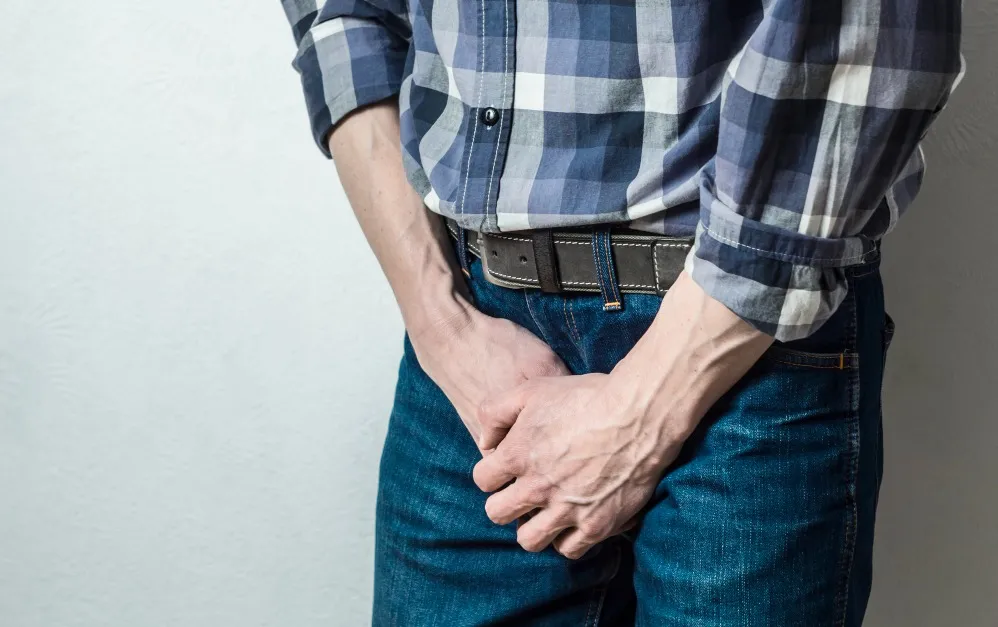
Occasional urine leakage is more common than many people realise, yet it remains a condition that people often hesitate to discuss. Whether it occurs while coughing, exercising, laughing, or before reaching the bathroom, urinary incontinence can affect confidence, social activities, and overall quality of life.
The encouraging news is that urine leakage is not simply an unavoidable part of ageing. In many cases, the underlying cause can be identified and treated effectively.
Understanding Urine Leakage
Urine leakage, also called urinary incontinence, occurs when bladder control is weakened or disrupted. The amount of leakage can range from a few drops to complete loss of bladder control.
Several factors influence normal bladder function, including healthy muscles, nerves, and urinary organs. A problem affecting any of these can lead to leakage.
Different Types of Urinary Incontinence
Recognising the type of leakage helps guide treatment.
Stress Incontinence
Leakage occurs during activities that increase pressure on the bladder, such as:
- Sneezing
- Coughing
- Laughing
- Running
- Lifting heavy objects
Urge Incontinence
A sudden, intense urge to urinate is followed by involuntary leakage before reaching the toilet.
Overflow Incontinence
The bladder does not empty completely, causing frequent dribbling.
Functional Incontinence
Physical or neurological conditions prevent a person from reaching the bathroom in time despite having a normally functioning bladder.
Common Causes
Urine leakage may result from several underlying medical conditions.
These include:
- Weak pelvic floor muscles
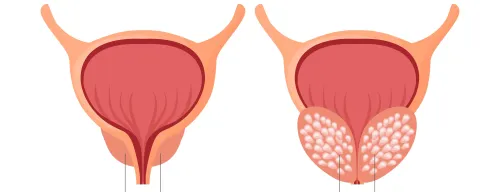
- Enlarged prostate in men
- Urinary tract infections
- Bladder stones
- Diabetes
- Neurological disorders
- Pregnancy and childbirth
- Certain medications
- Age-related muscle changes
Proper evaluation is essential because treatment depends on the underlying cause rather than the symptom alone.
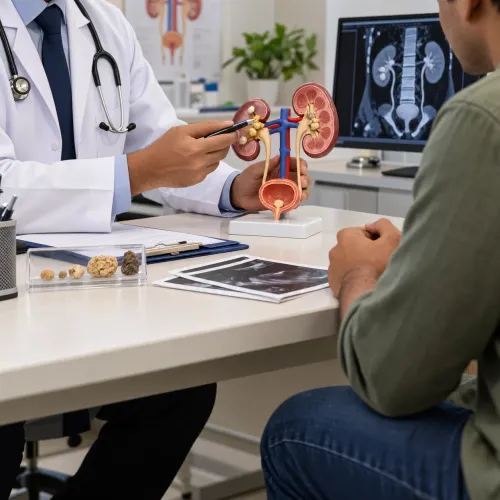
When Should You Consult a Urologist?
While occasional leakage may not always indicate a serious condition, persistent symptoms deserve professional assessment.
Seek medical advice if you experience:
- Leakage several times a week
- Difficulty controlling urination
- Blood in urine
- Pain during urination
- Frequent urinary infections
- Leakage affecting daily activities
- Sudden onset of severe symptoms
Ignoring these signs may allow an underlying condition to worsen over time.
How Is the Cause Diagnosed?
A detailed medical assessment helps identify the reason for urine leakage.
Investigations may include:
- Medical history and symptom review
- Physical examination
- Urine analysis
- Bladder diary
- Ultrasound
- Uroflowmetry
- Post-void residual urine measurement
- Cystoscopy in selected cases
These tests provide valuable information for planning personalised treatment.
Available Treatment Options
Treatment depends on the diagnosis and severity of symptoms.
Management may include:
Lifestyle Modifications
Simple changes often improve mild cases.
These include:
- Weight management
- Limiting caffeine
- Timed bladder emptying
- Improving fluid intake habits
- Avoiding constipation
Pelvic Floor Exercises
Strengthening pelvic muscles can significantly improve bladder control for many individuals.
Medication
Certain medicines help relax the bladder or improve urinary control depending on the type of incontinence.
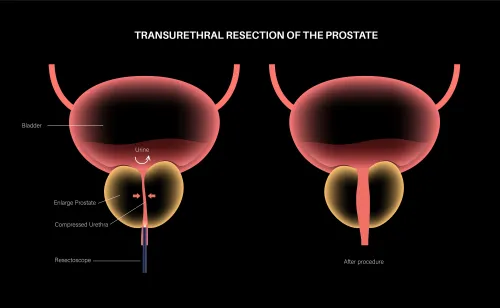
Minimally Invasive Procedures
When conservative treatment is insufficient, advanced procedures may be recommended to restore bladder function and improve quality of life.
Living Comfortably with Better Bladder Health
Many people delay seeking treatment because they assume leakage is an inevitable part of aging. In reality, early diagnosis often leads to better outcomes and prevents symptoms from becoming more disruptive.
Maintaining bladder health also involves:
- Staying hydrated
- Exercising regularly
- Managing chronic conditions
- Seeking prompt treatment for urinary infections
- Following medical advice consistently
Individuals experiencing persistent urine leakage in Thane West should consider a specialist evaluation rather than managing symptoms alone. Dr. Vivek Jadhav Laser Stone and Urology Clinic provides comprehensive assessment to identify the cause of urinary incontinence and recommend evidence-based treatment tailored to each patient's needs. Timely medical care can help restore confidence, improve bladder control, and enhance overall quality of life.
Keywords